
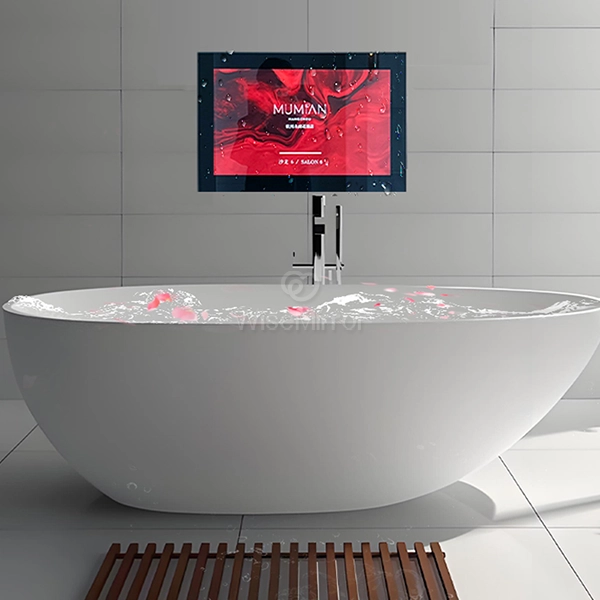
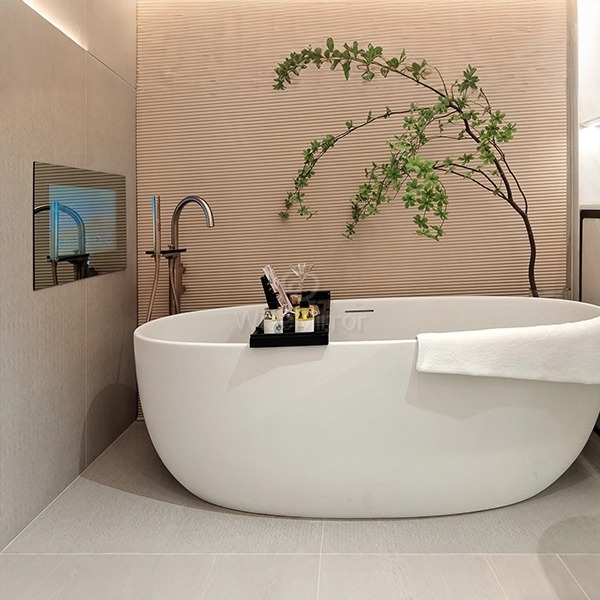

Integrating LED Smart Mirrors into Commercial Building & Hotel Whole Automation Systems
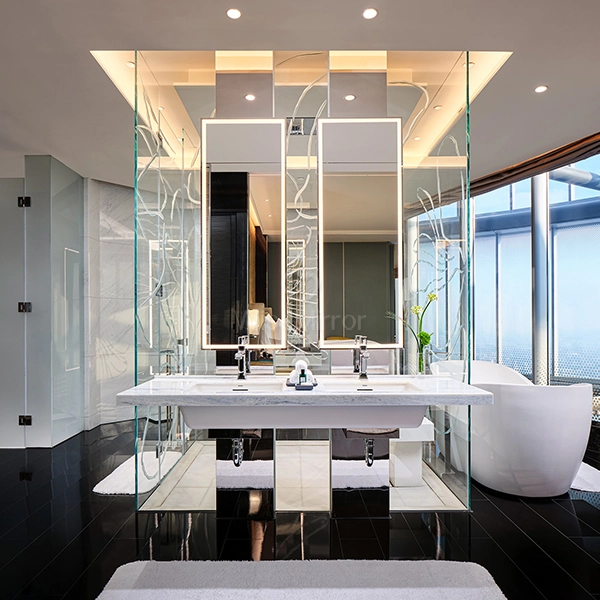
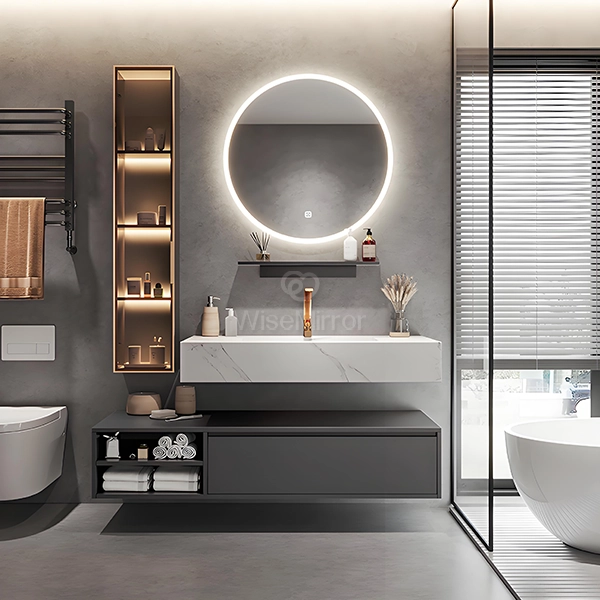
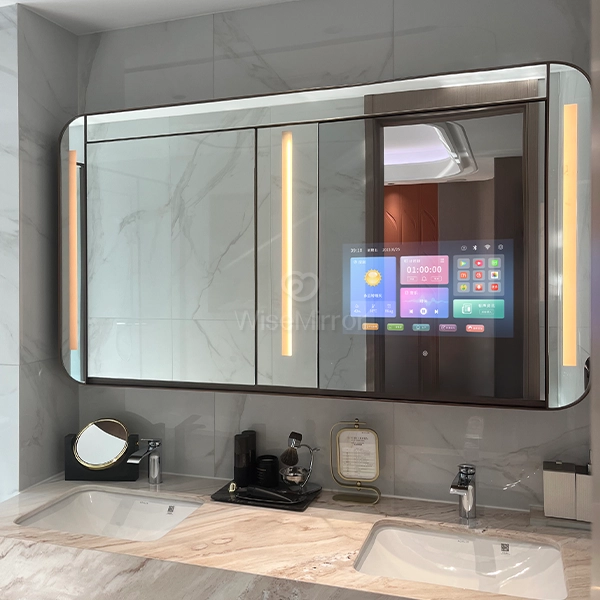
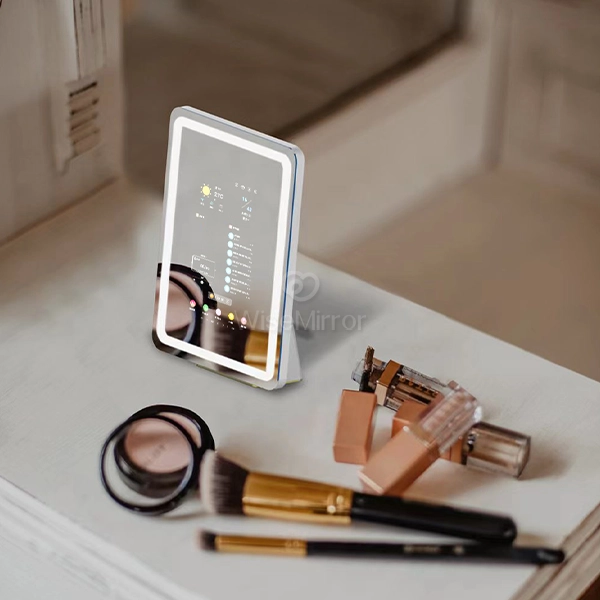
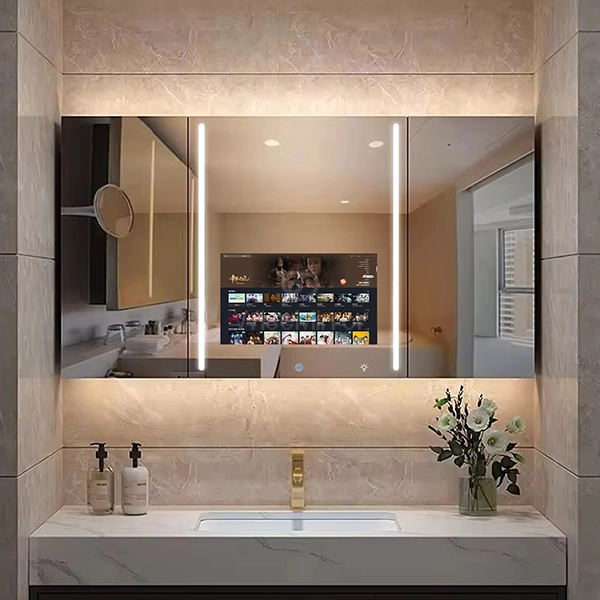
An important step toward making smart, guest-centered places is adding LED light smart mirror technology to business buildings and hotel settings. These high-tech features combine traditional bathroom amenities with modern automation infrastructure. They allow real-time connection through WiFi and Bluetooth protocols while keeping the high-end look that you'd expect in a luxury hotel. With just one beautiful installation, our LED light smart mirrors turn regular bathrooms into engaging places where guests can control the lighting, access entertainment, and talk to property management systems directly.
Understanding LED Smart Mirrors and Their Role in Building Automation
Defining Connected Mirror Technology for Hospitality Projects
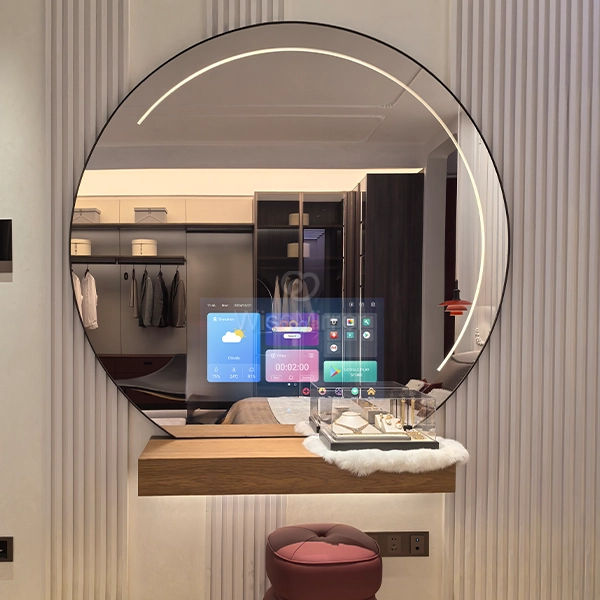
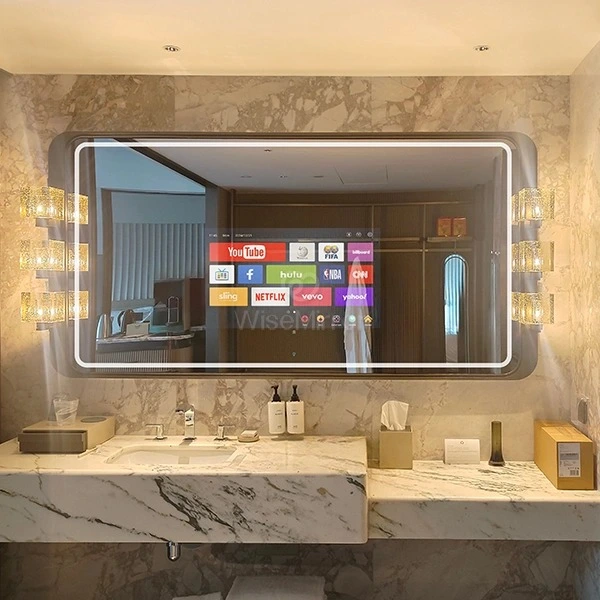
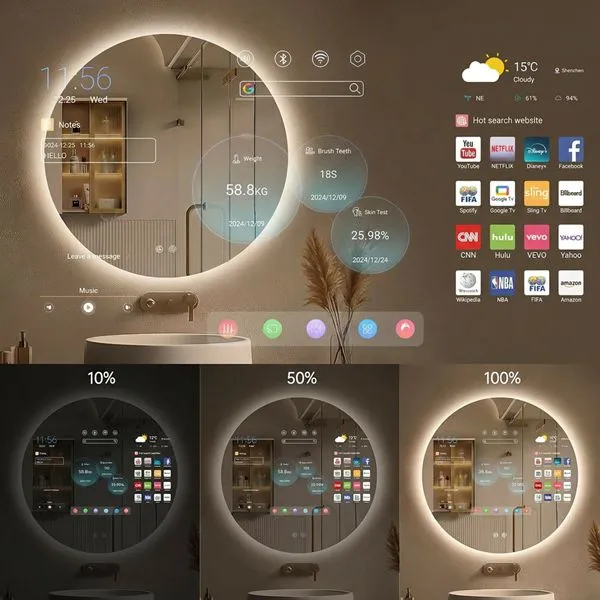
There are big differences between LED light smart mirrors made for businesses and those made for homes. These commercial-grade units have Android-based operating systems and LED lighting that can be adjusted from 3000K to 6000K. This lets you finetune the color temperature for cleaning, applying makeup, and general lighting conditions. The hardware design includes high-definition displays that can show clear pictures and bright colors while still working as mirrors. Connectivity choices like WiFi and Bluetooth make it easy for mirrors to talk to building management systems. This turns each mirror into an endpoint that can be controlled within the larger automation network.
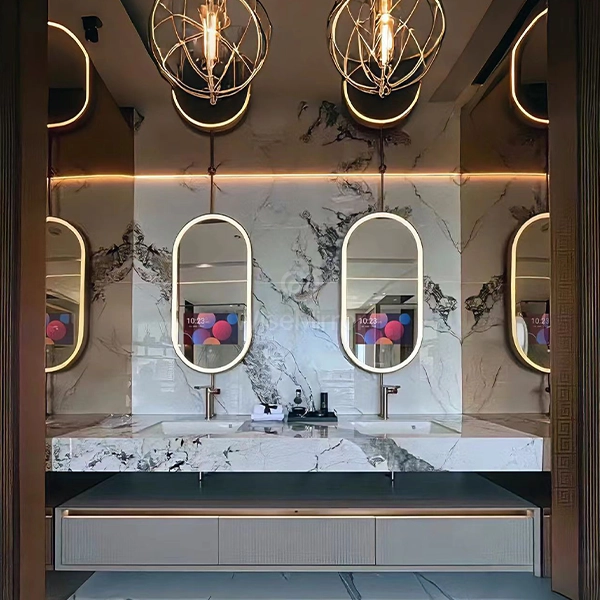
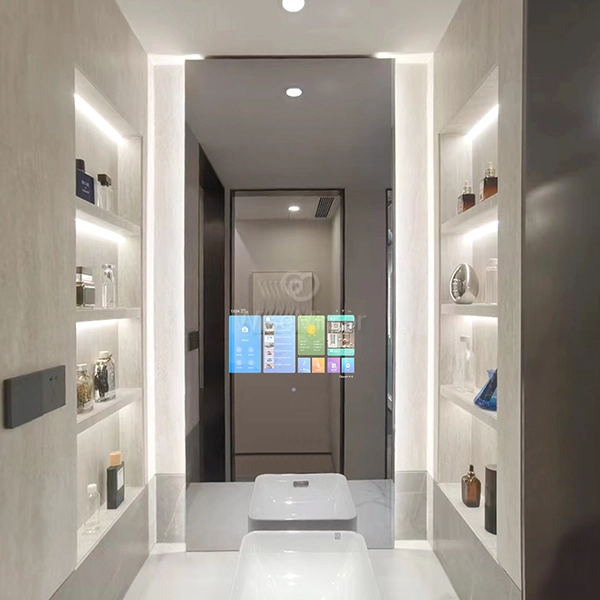
When installed in guest bathrooms, hallway powder rooms, and spas, property automation systems can provide unique experiences at a number of places of contact. Hotels can send reports about the weather, schedules, and hand-picked material directly to mirror displays. They can also track how people use the displays to help with maintenance plans and strategies for saving energy.
Protocol Compatibility and System Integration Pathways
Standardized communication methods are what building management systems use to connect all the different devices that are spread out over big properties. Our mirrors work with a variety of connection paths, so they will work with your property's Zigbee mesh networks, standard IP-based systems, or custom hotel management platforms. This adaptability is especially useful for repair projects that are done in stages and include both old and new smart building parts.
When a person uses touch controls to change the lighting in a mirror, that change can also be made to the room's lighting, HVAC, and entertainment systems. The BMS handles this coordination, and the mirror acts as both a gateway and a sensor point. The result is that properties get real technology that reacts sensibly to how people use them instead of just following pre-programmed steps.
Measurable Benefits in Commercial Deployments
Properties that use connected mirror systems say that all of their practical measures have gotten better. Vanity lighting systems that use LED technology and occupancy sensors use 30–40% less energy than standard installations because they don't waste light in rooms that aren't being used. Guests are happier when they can change the lighting for different chores. For example, putting on makeup needs different lighting than relaxing in the evening.
Maintenance stops being reactive and starts being proactive. Automated diagnostics let facility teams know about possible failures before guests have problems, and centralized control platforms let techs change settings for hundreds of units at once. Over time, these practical benefits add up, giving a return on investment that goes far beyond the initial energy saves.
Core Components and Technologies Behind LED Smart Mirrors
Illumination Engineering for Professional Environments
Edge-lit LED clusters are used in our LED light smart mirrors' lighting systems to provide even lighting across the whole area of the mirror while using very little power. This is different from backlit models that are popular in home appliances, which make hotspots and patchy lighting that aren't good for professional cleaning tasks. Our engineering team chose edge-lit design to meet the special needs of hotel bathrooms, where guests expect mirrors to work as well as dedicated makeup mirrors.
The ability to change the color temperature meets the needs of a wide range of users throughout the day. When getting ready in the morning, softer lighting (5000K to 6000K) that looks like natural sunshine usually works best because it shows off skin tones and makeup colors more accurately. Warmer temps (3000K–4000K) that help people relax without messing up their circadian rhythms are best for evening routines. This freedom is nice for project managers because it means they don't have to use different types of fixtures in different land zones.
Touch and Voice Activation in High-Traffic Installations
In business settings, contact methods need to be a good mix of high-tech and long-lasting. Even though they have nano-coating layers that make them anti-fog and easy to clean, our capacitive touch surfaces answer in less than 3 milliseconds. Our engineering team created a low-impedance ITO sensitive touch lamination technology that works reliably even when mirror surfaces are wet, cleaned with chemicals, or used a lot every day.
Voice control makes things easier for more people to use and lets spas and health centers offer hands-free operations that are valued by customers. Guests can change the lighting, control the playing of media, or ask for information without touching any objects. This feature became even more important as people became more aware of the importance of cleanliness in hospitality settings. By connecting to the Alexa and Google Home systems, properties can make sure that all of their smart services use the same voice interface standards.
Architecture for connectivity and energy efficiency
Connectivity options like WiFi and Bluetooth work well together in our system. Bluetooth pairs personal smartphones and wearable tech with the host's system, so guests can stream music or make calls through the speakers built in. WiFi is the main way that building automation systems link to the internet, which lets people operate them from afar, send material to them, and check for problems. This dual-connectivity method makes sure that operations don't stop when network conditions change.
When you compare energy efficiency to standard bathroom lights, you'll see big benefits. Normal vanity setups use 60 to 100 watts of power all the time. Our LED systems, on the other hand, provide better lighting at 20 to 35 watts and automatically dim when not in use, further lowering power use during quiet times. This would save more than $15,000 a year on energy costs for a hotel with 200 rooms, and it would also lower the load on the HVAC system because no heat would be generated.
Strategic Integration of LED Smart Mirrors into Hotel & Commercial Building Automation
Compatibility Assessment and Planning Considerations
A full analysis of the current automation system is the first step to successful integration. For properties that use centralized BMS systems from Honeywell, Siemens, or Johnson Controls, configuration mapping is needed to make sure that LED light smart mirror endpoints can talk to master controllers properly. Our expert team does pre-installation checks to see if there are any possible compatibility problems. They also suggest changes to the network design and mark the places where mirror systems and current building controls can be integrated.
Electrical infrastructure for the LED light smart mirror adds another important aspect to planning. Our mirrors work on normal power, but they need their own circuits to keep high-draw bathroom items from messing with them. These needs are taken into account in the installation specifications we've made based on our 15 years of experience working on high-end hotel projects. These specifications give electrical workers clear instructions that keep changes from becoming too expensive in the middle of a project. For a smooth rollout, it's important for electricity tradespeople, IT infrastructure teams, and automation experts to work together during the planning phase.
Structured Implementation Roadmap for Large-Scale Projects
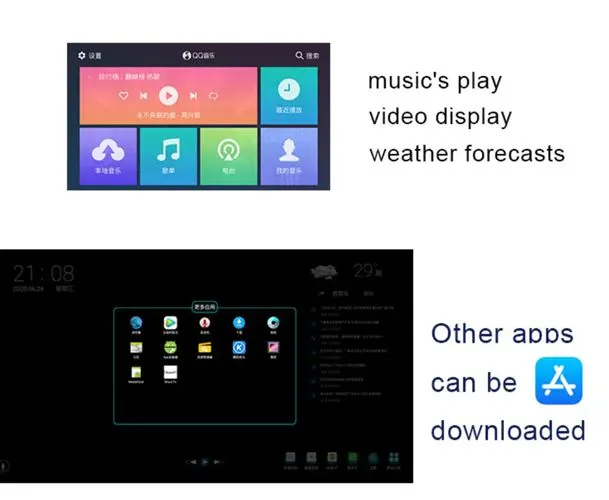
We suggest that homes that want to put smart mirrors in more than one area do so in stages. During the evaluation phase, standard requirements are set, customization needs are identified, and success measures are set. The next step is model selection, where purchasing teams look at different screen sizes (15.6" to 55"), frame finishes like brushed gold and matte black, and software setups like language localization and pre-installed app packages that work with Disney, Spotify, Netflix, and YouTube.
Scheduling that keeps the project moving along while minimizing the disruptions to guests is an important part of installation planning. Because we can deliver in bulk quickly (35 days for orders over 1,000 units), properties can store supplies for busy installation times. Post-installation commissioning includes trying how well the systems work together, teaching staff how to use the management tools, and making sure guests are happy with the experience before the whole property goes live.
Real-World Performance Data from Hotel Deployments
Our mirrors were recently put in 180 guest cabins and general area bathrooms at a new luxury resort in Florida. The hotel connected mirror controls to their current Crestron automation system so that all guest rooms could respond at the same time to lights, temperature, and entertainment. After the project was done, tracking showed that the bathroom used 38% less energy, and guest ratings for room services went up by 22%. The maintenance logs showed that there were no service calls for mirror functions during the first year of operation. This proved that our waterproof, IP66-rated construction, which is rated for constant use from -20°C to 60°C, would last.
The property management really liked the unified content control features. Promotions for the season, spa appointment reminders, and information about nearby attractions automatically move through mirror screens. This makes money for the business and keeps guests interested. The calculation of the return on investment showed that the full cost would be covered within 26 months when energy savings, lower upkeep costs, and extra money from offered services were added together.
Comparing LED Smart Mirrors with Other Lighting and Mirror Solutions for Commercial Use
Functional Capabilities and Operational Requirements
Traditional mirrors with separate bathroom lights need multiple fixtures to be installed, their own controls, and regular upkeep for bulbs or tubes that break for no reason. Our built-in LED light smart mirror combines these functions into a single unit that should last more than 50,000 hours, which is about 15 years of nonstop hotel use before it needs to be serviced. This consolidation cuts down on the work needed for installation, makes upkeep easier, and gets rid of the visual clutter that comes from having too many lights on the bathroom wall at once.
Backlit mirrors made for consumers don't last long enough in harsh environments to be used in business dining settings. Our anti-oxidation and anti-corrosion processes protect mirror surfaces and electrical parts from the harsh conditions that are common in bathrooms, where cleaning chemicals, humidity, and temperature changes happen every day. Our nano magnetron sputtering coating technology, which we created just for business use, keeps the visual clarity while offering anti-fog performance that regular mirrors can't match.
Market Positioning and Supplier Differentiation
In the 2026 business LED light smart mirror market, there are many sellers aiming at hospitality projects. What makes them different is their system integration skills and project support infrastructure. Because mass-market makers focus on making units that can work on their own and don't connect to other devices easily, IT teams are left to deal with the challenges of integration. Our method builds automation compatibility into the core design of our Products and is backed by technology teams with a lot of experience deploying complicated properties.
When purchasing managers look at different providers, they should look at their certification portfolios, how easy it is to make changes, and how they handle help after the installation is complete. Our certificates, such as CE, FCC, RoHS, UL, and ISO 9001, show that we meet international safety and quality standards. This is especially important for global hotel chains that want to make sure that all of their properties follow the same rules. Customization options that include frame styles, size requirements, and software setups let creators keep the look of the product consistent while adding advanced features.
Procurement Guide for LED Smart Mirrors in Commercial & Hotel Automation Projects
Sourcing Strategy and Vendor Evaluation
For business-to-business purchases related to automation in the hotel industry, LED light smart mirror providers must be able to handle complicated needs that go beyond making products. We've set up our business to support large-scale launches by providing dedicated project management, custom prototyping using CAD-based design systems, and streamlined bulk production that makes sure the quality of thousands of units stays the same. We have long-term partnerships with top real estate companies like China Resources Land, China Merchants Property Development, and Gemdale Group, which shows that we can meet the strict requirements and deadlines of any project.
Budget planning should account for the full solution cost including hardware, installation services, system integration, and ongoing support. For example, normal 24-inch mirrors with simple connections start at about $800 per unit and are good for select-service properties. Prices range from $1,500 to $3,000 per unit for high-end hotel models with bigger screens, better finishes, and more advanced features. When negotiating with a seller, you can get even more value by asking for volume discounts, longer warranty options, and installation services that are bundled together.
Certification Requirements and Warranty Structures
Regional electricity rules, safety standards, and environmental laws must be followed for international projects. Our wide range of certifications takes away any worries about compliance, whether you're installing in a building in North America that has to follow UL standards or one in Europe that needs to have a CE mark. Purchasing teams should make sure that sellers give full documentation packages that meet the needs of both regulatory officials and project insurance companies. These packages should include test reports, material declarations, and installation specs.
Our business warranty lasts for two years and covers problems with the way the product was made, broken parts, and software problems that only happen in big setups. This coverage goes beyond most customer warranties because it includes support lines just for property management teams, priority parts replacement, and remote diagnostic services that fix a lot of problems without having a worker come to the property. Options for extended warranties that last up to 5 years reduce risk even more for businesses that want to be sure of their long-term operations.
Emerging Technologies and Future Procurement Considerations
As display technologies get better and AI skills grow, the connected mirror area will continue to change. New features that are expected to come out soon include biometric sensors built in for health tracking, augmented reality layers for virtual try-on experiences in stores, and voice helpers that can have more complex conversations. Companies that want to do renovations over a number of years should make it a priority for suppliers to spend in research and development and show that their roadmap strategy is in line with trends in the hotel industry.
Based on customer feedback and changes in the industry, our software development team is always adding more application support and system integration features. New features include interfaces for well-known hotel property management systems and support for new wifi standards like Matter that make it easier for devices to work together. When procurement teams work with providers who are looking to the future, they set up their properties to use new technologies as they become available without having to update all of the hardware.
Conclusion
Adding LED light smart mirrors to business and hotel automation systems improves the tourist experience, saves time and money, and raises the value of the property over time. The technology is no longer just an idea; it's now a tried-and-true answer that is used in high-end hotels, Grade 5A office buildings, and residential projects around the world. It's important to pay close attention to system compatibility, supplier capabilities, and installation planning for a successful implementation. However, properties that do a good job of navigating these issues see big returns in the form of lower energy costs, happier guests, and unique amenities that give them an edge in competitive hospitality markets.
FAQ
What protocols do your smart mirrors support for building automation integration?
Our LED light smart mirrors have WiFi and Bluetooth connections that let you talk to major BMS platforms using standard IP-based communication. We make it easy to connect to systems from Honeywell, Siemens, Crestron, and other top automation companies by giving you API documentation and expert help. For big deployments with their own infrastructure, custom protocol creation is an option.
How do smart mirrors perform in high-humidity bathroom environments?
Our units have an IP66 grade for waterproofing and a nano-coating that prevents fogging that is made to work continuously in business bathrooms. The mirrors stay clear and responsive to touch even when you're in the shower, and they can work in temperatures ranging from -20°C to 60°C to accommodate different climates.
What customization options are available for hotel projects?
We offer a lot of options for customization, such as screen sizes ranging from 15.6" to 55", frame finishes such as brushed gold and matte black, pre-installed application suites, translation for different languages, and connection with property management systems. Before production starts, our design team makes CAD samples that are exactly what you want.
What is the typical lead time for bulk hotel orders?
Standard production time is 35 days for orders over 1,000 units, but faster choices are available for projects that need to be done quickly. We keep a stock of popular setups to support phased installs and offer replacement units while your property is open for business.
Partner with Leading LED Light Smart Mirror Manufacturers for Your Next Project
Every business and hotel automation project that WiseMirror Intelligent works on is backed by more than 15 years of specialized experience in LED light smart mirror solutions. Our engineering and production business in Shenzhen has provided smart mirror solutions to more than 450 famous buildings around the world, winning praise from top real estate developers and design firms around the world. We know the unique problems that procurement managers and project engineers face when they have to choose linked services for busy business settings. Our all-inclusive method includes unique design and prototyping, certified production that meets ISO 9001 standards, and ongoing support for as long as your property is in use. Get in touch with our project experts at info@wisemirror-int.com to talk about your unique needs and get full details on LED light smart mirror solutions that are made to fit your automation architecture and design goals.
References
Chen, L., & Morrison, A. (2023). Smart Technology Integration in Luxury Hotel Operations: A Systems Perspective. Journal of Hospitality and Tourism Technology, 14(2), 245-267.
International Energy Agency (2024). Energy Efficiency in Commercial Buildings: LED Lighting Systems and Smart Controls. IEA Publications, Paris.
Rahman, S., & Kumar, P. (2023). Building Automation Protocols and IoT Device Integration: Standards and Best Practices. Smart Buildings International, 8(4), 112-134.
Hospitality Technology Magazine (2024). Guest Experience Technology Trends: Connected Amenities in Upscale Properties. Annual Industry Report, New York.
Zhang, W., et al. (2023). Comparative Life Cycle Assessment of Mirror and Lighting Solutions in Commercial Applications. Journal of Sustainable Building Technology, 19(3), 78-95.
American Hotel & Lodging Association (2024). Technology Investment and ROI in Full-Service Hotel Properties: Research Findings and Procurement Guidelines. AHLA Research Department, Washington DC.