

LED Mirror TV vs Standard Mirror TV: Key Differences
If you want to make an informed purchase choice between LED mirror TV and standard mirror TV options, you need to know the main differences between them. When compared to traditional mirror TVs, LED mirror TVs have better picture quality and more smart features because they use modern LED backlighting technology and high-definition screens. The vanity mirror TV is the best example of this technology because it combines professional fill lighting with high-definition mirror features that are made to work in bathrooms and on changing tables. Standard mirror TVs usually use older display technologies and don't have many interactive features. This makes them less ideal for modern business and hospitality settings where customer experience and technological savvy affect choices about what to buy.
Understanding the Basics of LED Mirror TV and Standard Mirror TV
LED mirror TVs are different from regular TVs because of how their displays are built and the features they have built in. LED mirror TVs have advanced LED backlighting systems hidden behind semi-reflective glass. This lets them switch between mirror and display functions without any problems and keep the best picture quality in all kinds of lighting.
Core Technology Components
Backlighting arrangements in LED mirror displays are very advanced and make the light distribution even across the whole screen. When you combine quantum dot technology with local dimming, these systems produce better color reproduction and contrast ratios that are much better than normal mirror TV performance. LED technology makes it possible for profiles to be smaller while still using less energy than traditional lighting systems.
Most standard mirror TVs use CCFL (Cold Cathode Fluorescent Lamp) or basic LED edge-lighting technology, which doesn't make the brightness spread as even and doesn't show colors as accurately. Because they are older, these systems need bigger housings and use more power, but they don't work as well visually in places with bad lighting, like hotels and businesses.
Smart Integration Capabilities
Modern LED mirror TVs have powerful processing units that can run Android or custom operating systems. This lets you download apps, connect to the internet, and join your smart home. With these features, simple mirrors can be turned into full-featured digital platforms that can be used for entertainment, information display, and engaging apps in many fields.
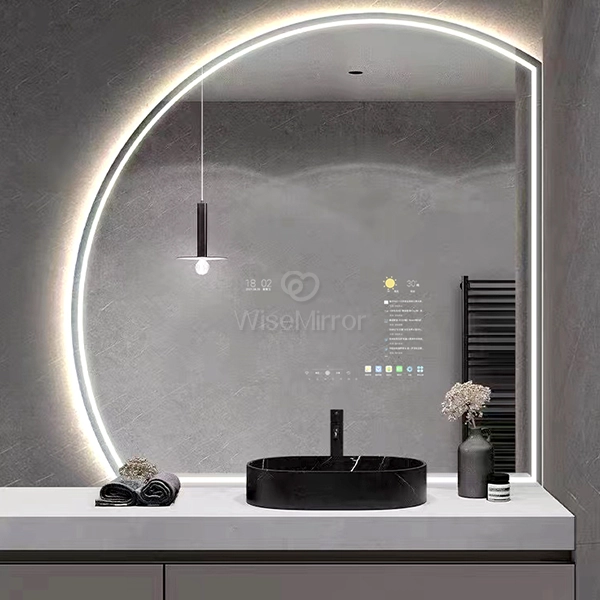
This integration is shown by the small vanity mirror TV, which lets users download beauty and leisure apps that let them watch lessons on how to use skincare Products and put on makeup while using the mirror for personal grooming. This method with multiple uses meets the changing needs of high-end hotel rooms where guests' experiences rely on how well technology is integrated.
Key Features and Benefits Comparison
Learning about the differences in performance between LED and regular mirror TV technologies helps buying teams choose the best option for their project needs and budget. The comparison shows big differences in the quality of the display, how long it lasts, and how well it works, all of which affect long-term worth and customer happiness.
Display Quality and Visual Performance
LED mirror TVs have better picture quality because they can control the lights better and have higher resolutions. Most of the time, these systems can handle 4K resolution and HDR, which makes sure that text is displayed clearly and colors are reproduced vividly, which is important for business use. The higher lighting levels, which are often over 500 nits, make it possible to see even in places with a lot of light, like hotel bathrooms or stores.
Another important benefit of LED technology is that it is accurate when it comes to color. Many systems can cover over 90% of the sRGB color range. This specification makes sure that material looks professional and uniform in all watching situations. This is especially important in retail settings where brand colors need to show up correctly.
Standard mirror TVs usually have lower resolutions; they can only go up to 1080p and don't handle HDR very well. Because these units have a smaller color range and less brightness, they are not as good for demanding business uses where visual quality directly affects how customers see things and how happy they are with the service.
Smart Functionality and Connectivity Options
Modern LED mirror TVs come with full connection packages that include WiFi 5, Bluetooth 5.0, and multiple HDMI ports that work with the newest signal standards. These connection choices let you connect to streaming services, building management systems, and guest room settings, which makes the whole experience better for the user.
Touch sensitivity is a big step forward in technology for LED mirror TVs. Many models have multi-point sensitive touch screens that let you control the TV with gestures and move between apps. Response times of less than 1ms are possible with the low-impedance ITO layer technology. This makes it possible for seamless contact, which is important for interactive apps in retail and hospitality settings.
Usually, basic HDMI ports and simple infrared remote controls are the only ways that standard mirror TV sets can connect to other devices. They can only be used for basic TV watching because they don't have any smart features or touch capabilities. They don't have the engaging features that modern business settings require.
Environmental Durability and Certification Standards
For business use, LED mirror TVs have to go through a lot of weather testing to get the IP65 waterproof ratings and other certifications needed for damp places. Advanced makers use nano magnetron sputtering coating technology to make products that are better at resisting water spots and fogging, which are important for bathroom installs.
These systems work effectively in a wide range of temperatures, usually from -20°C to 60°C. This means they can handle the different climates and HVAC changes that are common in big industrial buildings. As part of the improved durability specs, the touch cycle rates go over 100,000 activations, which means that the device will continue to work properly for longer periods of time.
Most standard mirror TVs don't offer much safety against the environment, and most of them don't have the right waterproof certification for bathroom installs. Because they can't handle high temperatures as well and are made of simple materials, these units aren't good for business settings that need to be reliable and last a long time.
Installation and Maintenance Insights for Procurement Teams
When it comes to professional installation, LED and normal vanity mirror TV systems are very different. LED versions need specialized knowledge and infrastructure factors that can affect project timelines and costs. Knowing these needs helps buying teams make good plans and avoid costs that come up during implementation that were not expected.
Installation Complexity and Infrastructure Requirements
When installing an LED mirror TV, you need to think carefully about the power requirements, the mounting systems, and how to connect the network equipment. Most of the time, these units need dedicated circuits that can handle high power loads and stable network links for smart features and online tracking.
Specifications for wall fixing are very important because they need to be exact for flush fitting and good heat transfer. Professional workers have to think about how to handle heat and how to get to panels for future upkeep. This is especially important in bathrooms, where controlling humidity can affect the system's long-term dependability.
Specialized mounting brackets made for dressing table integration and bathroom sink installs are used to place the vanity mirror TV. To make sure that these systems fit perfectly with current hardware and meet electrical safety standards in wet areas, they need to be precisely measured and fitted.
Maintenance Requirements and Longevity Considerations
Because they are solid-state and have fewer moving parts, LED mirror TV sets are easier to maintain. The LED backlit systems usually last 50,000 hours or more with little wear and tear. This makes replacement much cheaper than with standard units that need lamp replacements on a regular basis.
There are special coatings and touch interfaces on LED mirror TVs that need to be cleaned using approved cleaning solutions and methods that keep the screen clear without harming electronic parts. The water-repellent and anti-fingerprint coats make cleaning less often necessary while still keeping a professional look.
Standard mirror TV care includes more complicated tasks like replacing lamps on a regular basis, cleaning the cooling system, and repairing mechanical parts, which raises the long-term cost of operation. Because it only protects against certain weather factors, it needs to be cleaned and maintained more often to keep it from breaking down because of wetness in damp places.
Warranty and Support Considerations
LED mirror TVs usually come with full warranties that cover replacements for two years and response times of 48 hours. This shows that the maker trusts the product's dependability and wants customers to be happy. A lot of the time, the guarantee covers both hardware parts and program support, so the system will work perfectly during the coverage period.
Technical support infrastructure includes access 24 hours a day, seven days a week through multiple contact channels, such as email, WhatsApp, and WeChat. This means that customers can get instant help with problems and practical advice. This support system is very important for business installations because downtime has a direct effect on sales and customer satisfaction.
Standard mirror TV warranties usually cover less time and offer fewer help choices. This is because they are simpler and don't require as much money to build up customer service infrastructure. Because help isn't always available, commercial apps may have longer downtime and have to pay more to fix problems.


Procurement and Market Comparison: Making the Right Choice
Aside from the initial purchase price, other important financial factors that have a big effect on buying choices are the total cost of ownership, energy efficiency, and long-term value retention. When buyers know these things, they can figure out how much the real cost difference is between LED and regular vanity mirror TV options.
Cost Analysis and Budget Planning
LED mirror TV prices are high because they use advanced technology and are hard to make. Depending on size and features, most business units range from premium to ultra-premium prices. Overall, though, the longer life and lower upkeep needs often lead to a lower total cost of ownership over 5 to 7 years of use.
When used on a large scale, volume price benefits become important, and makers offer big discounts on orders over 100 units. When these advantages of buying in bulk are paired with standard methods for fitting, the cost per unit can be cut by a large amount while quality remains the same in many places.
Standard mirror TV systems may have lower starting costs, but they may need to be replaced and maintained more often, which raises the long-term costs of running the business. In commercial settings, the restricted upgrade path and decreased usefulness can also lower property values and make guests less happy.
Energy Efficiency and Operational Costs
Through efficient illuminating systems and smart power control features, LED technology saves a lot of energy. Modern LED mirror TVs usually use less than 3W when they're not in use, and they can turn on instantly, which is important for guest rooms where quick responses make the user experience better.
When used on a big scale, where power costs add up over time, the benefits of energy efficiency become even more important. LED systems can often get energy rebates and green certifications that save companies money and help them meet their environmental goals.
When comparing operating costs, LED mirror TVs can cut energy use by 40–60% compared to regular TVs. This can save hotels and businesses a lot of money when they have hundreds of units placed. Within two to three years of starting up, these savings usually cover the higher original cost.
Vendor Evaluation and Risk Management
Choosing well-known companies that have a history of doing business installations lowers the risk of the purchase and guarantees solid long-term support. Companies that have worked on a lot of projects, like those that work with China Resources Land, Gemdale Group, and foreign hotel names, show that they can handle complicated deployments and deliver consistent quality.
For business uses, certification compliance is very important. Most LED mirror TV makers keep ISO 9001 quality management systems in addition to CE, FCC, and RoHS compliance. These certifications make sure that the product is reliable and follows all the rules that are needed for foreign projects and business purchasing standards.
Supply chain dependability and manufacturing capacity review help make sure that products are always available for big projects that need to be finished by a certain date. Established makers usually keep enough stock and production capacity to handle orders from 50 to 5,000 pieces or more within the normal wait time.

Use Case Scenarios and Decision-Making Guidance
When choosing between LED and standard mirror TV options, you need to think about what features and functions are needed for each purpose. When procurement teams know these requirements, they can better match product details to practical needs and get the best return on investments.
Hospitality and Luxury Hotel Applications
Luxury hotels and resorts put the experience of their guests first by integrating technology seamlessly and adding high-end services that set their properties apart from others in the same category. LED mirror TVs have the picture quality and smart features that meet these high standards and can also handle the tough working conditions of business hotels.
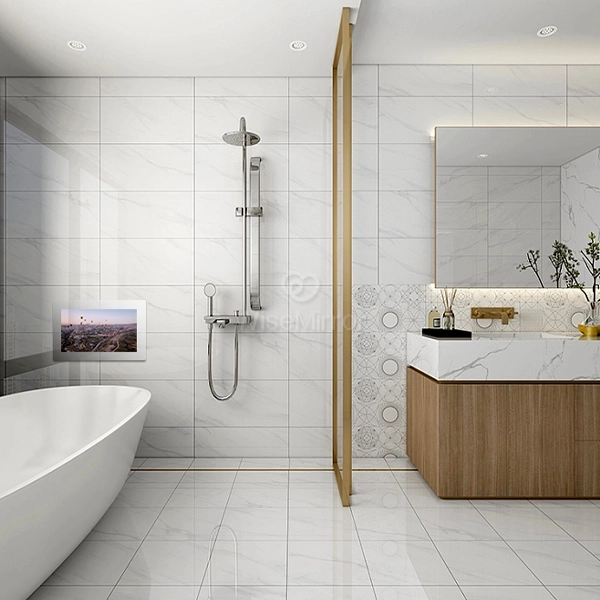
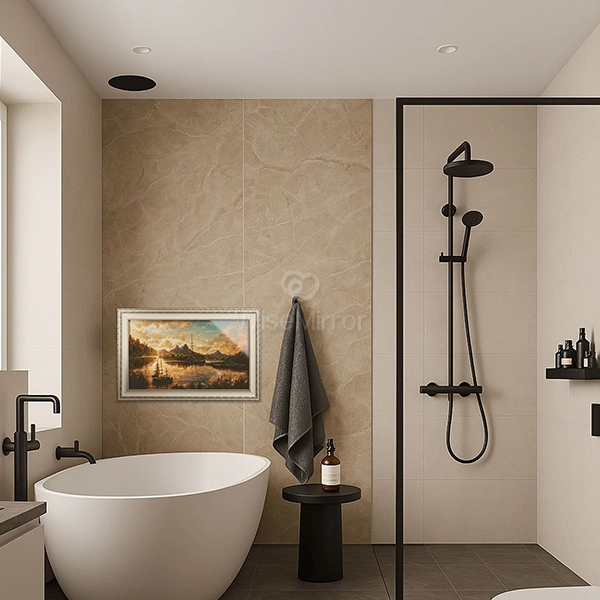
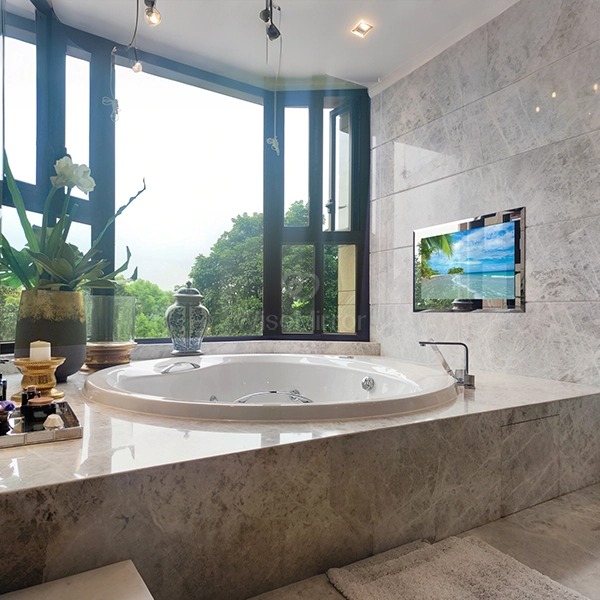
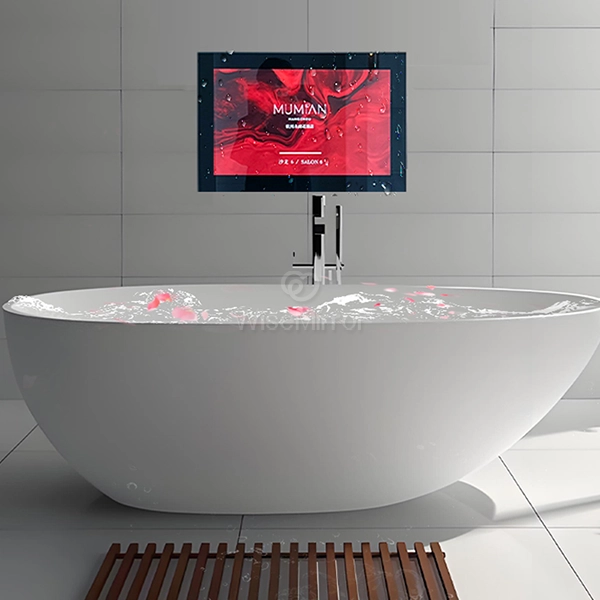
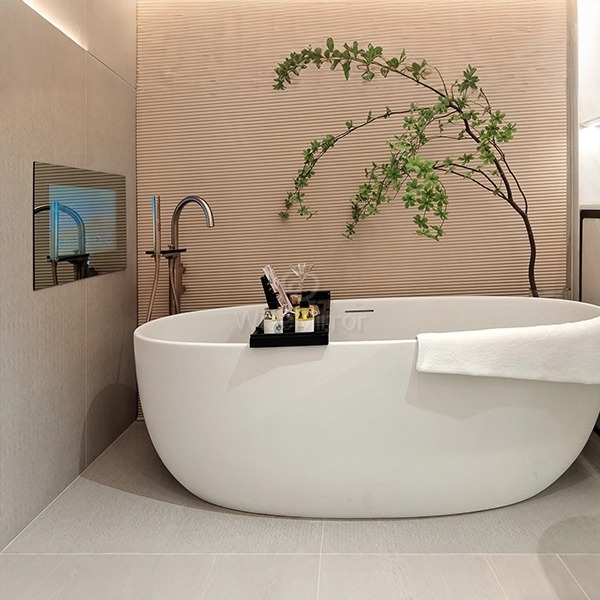
Installations in guest bathrooms need to be waterproof, have anti-fog features, and have settings that are easy to use and work reliably when it's hot outside. The vanity mirror TV meets these needs by using special treatments and protecting the environment, while also giving guests access to fun and information that makes their stay better.
Some things that can have an effect on revenue are how satisfied guests are, how often they book again, and the chance to charge more for LED mirror TV setups. When properties put money into high-tech services, they often get higher average daily rates and better review scores, which can be used to measure their financial results.
Healthcare and Wellness Facility Requirements
Medical facilities and spas need surfaces that are easy to clean, have antimicrobial qualities, and work reliably in controlled settings where hygiene standards are higher than those found in most businesses. Specific coatings and building materials are used on LED mirror TVs made for hospital uses to help with infection control.
Improving the patient experience by giving them access to fun and information displays can cut down on the time they think they have to wait and their anxiety levels, while also teaching them about the treatment processes. These perks help make healthcare settings better places for patients and improve clinical results.
In healthcare situations, things need to be durable enough to withstand cleaning agents, protect against impacts, and be able to run continuously so they are always available when they are needed for patient care.
Retail and Commercial Space Integration
LED mirror TVs are used in high-end stores for engaging marketing, product demonstrations, and improving the brand experience, all of which keep customers interested and help them make a purchase. The high-quality display makes sure that brand colors look true, and the touch features let you interact with product listings and try on clothes virtually.
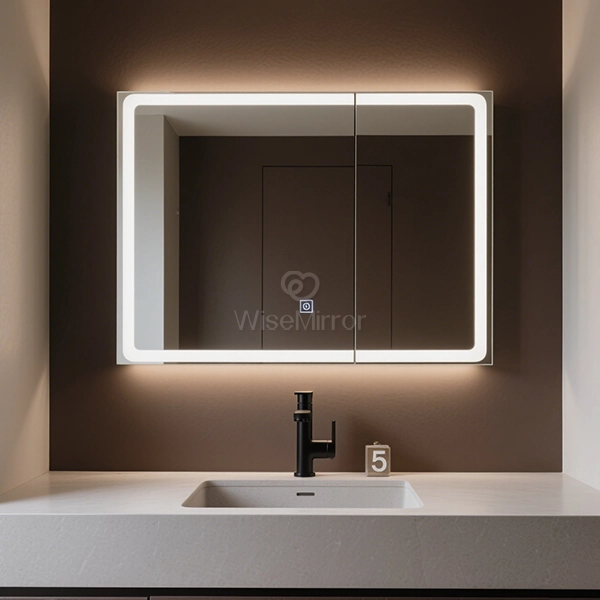
Small vanity mirror TV with built-in lighting are great for beauty shops and spas because they offer professional-grade lighting for services and entertaining and educational content that makes the customer experience better. There are different lighting settings, such as natural light, warm white, and cool white, to meet the needs of different customers and services.
In store settings, where displays may need to be moved or rearranged due to yearly campaigns or changes in inventory, installation flexibility is important. These practical needs can be met by LED mirror TVs' mounting choices and communication features.

Conclusion
In the end, the decision between LED mirror TV and regular mirror TV technology comes down to the needs of the application, the budget, and the long-term goals of the business. LED mirror TVs have better picture quality, more advanced smart features, and longer sturdiness, which makes up for their higher starting costs by making the user experience better and lowering long-term operating costs. The vanity mirror TV is the best choice for situations that need built-in lights, smart communication, and professional-level performance in tough business settings. Standard mirror TVs can still be used for basic tasks where more advanced features aren't needed and where limited funds limit investment choices.
FAQ
Which mirror TV type works best for humid bathroom environments?
When it comes to wet places, LED mirror TVs with IP65 waterproof ratings and anti-fog treatments work much better than regular mirror TVs. Its improved sealing and nano armor protection prevent moisture infiltration while still letting you see clearly, even in a hot bathroom.
How do maintenance costs compare between LED and standard mirror TVs?
Due to their solid-state design and longer component lifespans, LED mirror TVs usually have lower upkeep costs. Standard mirror TVs may need new lamps and more regular service, but LED systems can work for 50,000 hours or more with little to no wear and tear and less cleaning needed.
What installation considerations affect project timelines?
Installing an LED mirror TV may take longer than installing a normal TV because it needs special electrical wiring and professional mounting methods. But the complexity makes sure that it works well with smart building systems and is reliable over time, which is important for business uses.
Can these systems integrate with existing building management systems?
Modern LED mirror TVs come with a lot of ways to connect, such as WiFi, Ethernet, and API support, which lets them work with building management systems, guest room settings, and property management platforms. Most standard mirror TVs don't have these ways to connect.
Transform Your Space with WiseMirror Intelligent Solutions
WiseMirror Intelligent specializes in delivering cutting-edge vanity mirror TV solutions engineered for demanding commercial and hospitality environments. Our experienced team combines over 15 years of industry expertise with innovative nano magnetron sputtering coating technology and low-impedance ITO capacitive touch systems to create superior products that exceed expectations. Contact our experts at info@wisemirror-int.com to discuss custom specifications, volume pricing, and installation support for your next project. As a trusted vanity mirror TV supplier, we provide comprehensive solutions from design consultation through post-installation support, ensuring seamless integration and reliable performance for years to come.
References
Commercial Display Technology Review: LED vs Traditional Backlighting Systems in Hospitality Applications, Journal of Hospitality Technology Management, 2023.
Energy Efficiency Standards for Smart Mirror Displays in Commercial Buildings, International Building Performance Institute, 2023.
Waterproof Electronics Certification Requirements for Bathroom Installations, Electrical Safety Foundation International, 2022.
Touch Interface Durability Testing Standards for Commercial Interactive Displays, Society for Information Display, 2023.
Hotel Guest Experience Technology Impact Study: Premium Amenities and Revenue Correlation, Cornell Hotel Administration Quarterly, 2023.
Healthcare Facility Technology Integration Guidelines: Patient Experience and Safety Considerations, American Hospital Association Technology Guidelines, 2022.