
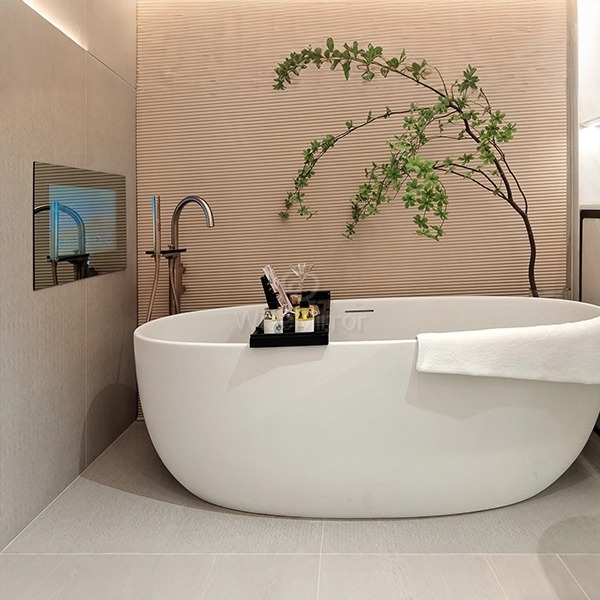

Smart Mirror Buying Guide for International Importers
Finding smart mirror options for high-end hotel or home projects requires a more planned approach than just buying something for yourself. International buyers who want to renovate hotels, fit out businesses, or build smart properties need to find providers who know about protection standards, the complexity of system integration, and the dependability of high-volume production. The square smart mirror has become a popular choice for bathrooms in high-end hotels and apartment buildings because it combines Android-based functionality with tech that doesn't rust. This guide tells procurement managers how to find reliable mirror display technology that meets strict safety standards and raises property values. It also goes over how to evaluate suppliers and what to think about when putting the technology into use.
Understanding Advanced Smart Mirror Technology for Commercial Environments
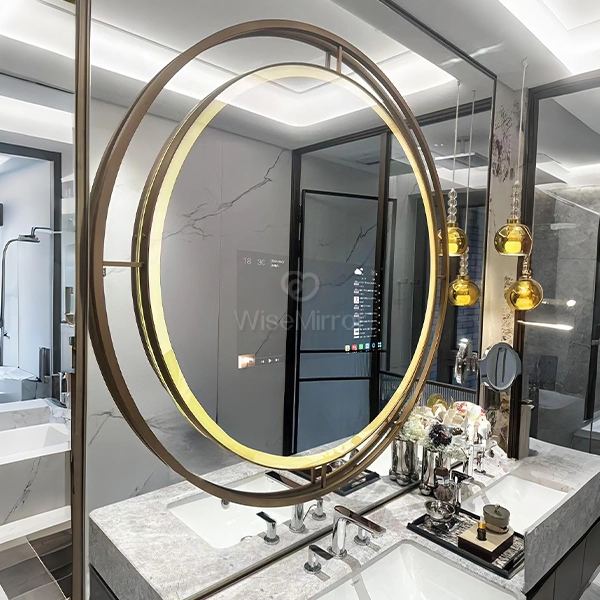
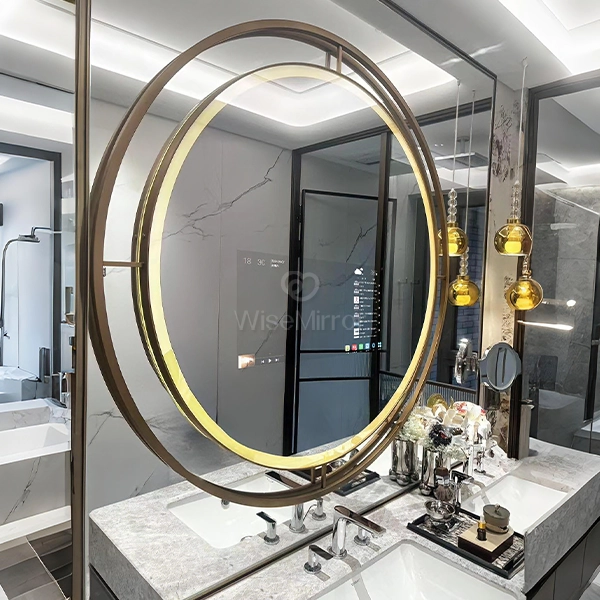
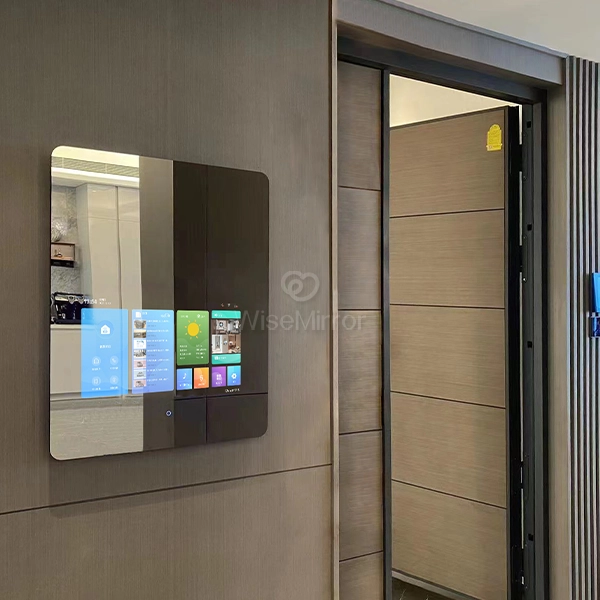
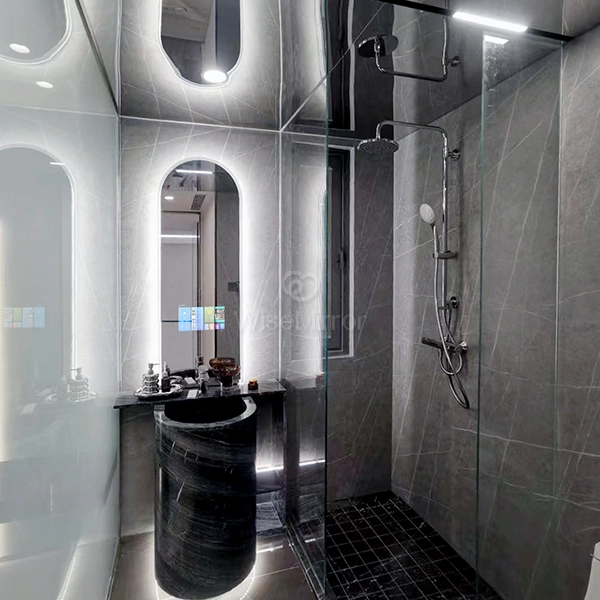
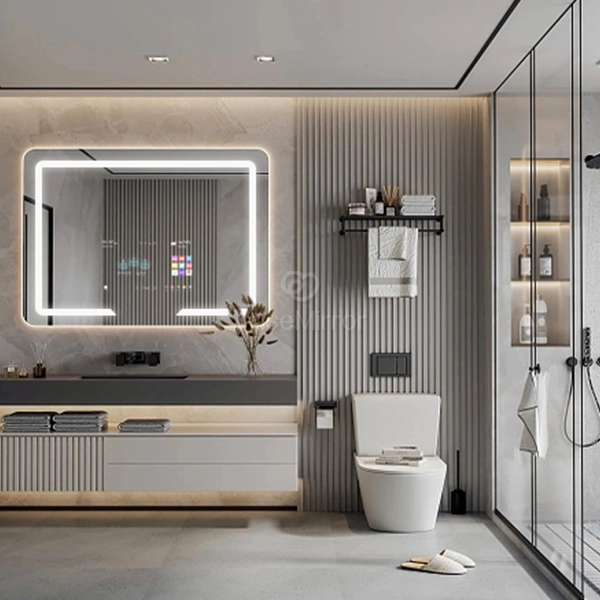
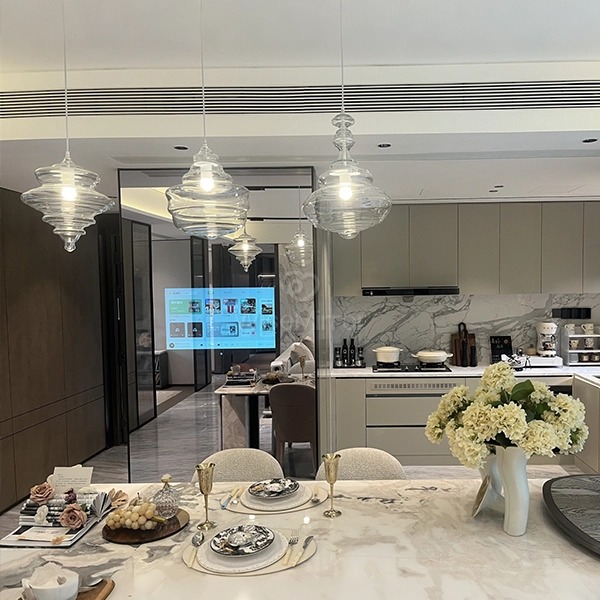
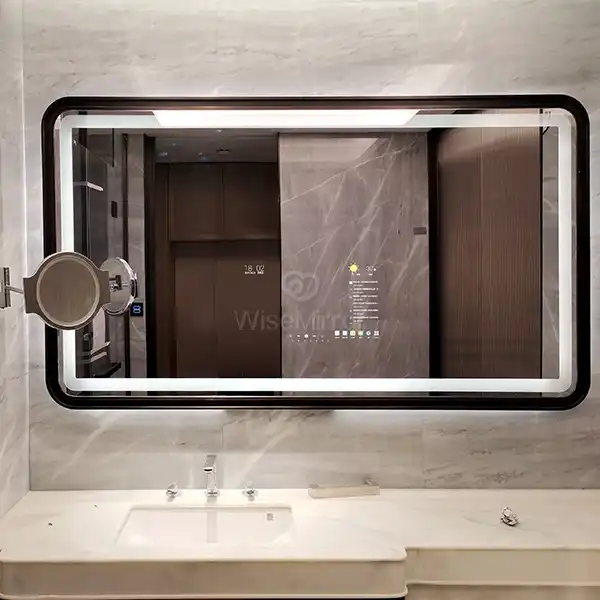
In business settings, modern interactive screens are used for a lot more than just looking good. When these are put in hotel bathrooms, they turn into digital butler desks where guests can check flight times or change the temperature in their rooms without leaving the shower area. Apartments at real estate shows use mirror screens to show off smart home ecosystems, which helps buyers imagine what it would be like to live in an automatic way. The square smart mirror from WiseMirror Intelligent runs on an advanced version of Android that has full access to the Google Play Store. This means that property managers can customize the interfaces with their own apps or third-party features that are specific to their services.
Core Hardware Components That Differentiate Industrial-Grade Solutions
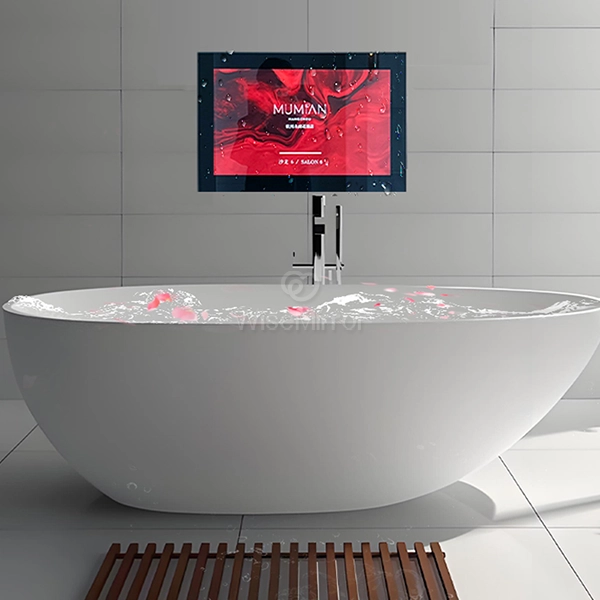
Commercial Mirror systems have to deal with environmental issues that most individual electronics don't have to. When people take long showers in bathrooms with humidity levels that reach 90%, normal touch sensors corrode within months. In vacation properties, salty ocean air speeds up metal frame oxidation. WiseMirror's nano magnetron sputtering coating technology blocks moisture at the molecular level. This has been proven in more than 450 sites around the world, such as seaside houses and hotels in warm climates. The low-impedance ITO capacitive touch coating stays accurate 99% of the time even when mist forms on the surface. This is very important when guests use wet hands to interact with the screen.
Safety glass with an IP65 rating can handle accidental hits from bags or cleaning tools, which relieves hotel owners of legal concerns. Instead of taking generic certifications, procurement teams should make sure that sellers provide test results that show they meet CE, FCC, and CCC standards. WiseMirror can make more than 5,000 units a month, and their defect rate is less than 0.5%. This means that the quality will be the same across large-scale property deployments, unlike with smaller vendors who have trouble with batch errors during big sales.
Software Ecosystem Compatibility for Multi-Brand Integration
System integrators prefer devices with open design that can talk to other building control systems without being locked into a single vendor. IoT networks can join to the Android base via WiFi 5 and Bluetooth 4.2. This means that mirrors can be used as control points for security, lighting, and HVAC systems. Touch response times of less than 0.3 seconds are standard in the hotel business, where slow interfaces annoy guests and get bad reviews. Property managers can directly push software changes to hundreds of units at the same time, keeping security patches up to date and adding new features without having to send technicians to each unit.
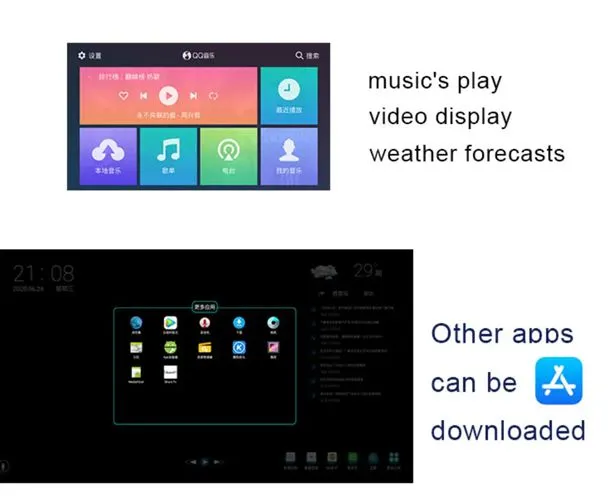
At an average of 45W per unit (Energy Star compliant), energy use becomes noticeable when multiplied by 200-room hotels. This makes power economy a real practical cost factor. Bluetooth can do more than just pair with a smartphone. Mirrors can also easily connect to commercial-grade speakers to stream music in a spa or send maintenance logs to tablets used by building managers. This makes operations run more smoothly and keeps finished walls free of cables.
Evaluating Supplier Capabilities Beyond Product Specifications
To find makers who can work with foreign purchasing cycles for the square smart mirror, you have to look at things that aren't shown on product datasheets. Whether a supplier relationship helps or hurts project timelines depends on lead times, customization options, and support after delivery.
Customization Depth for Brand-Aligned Experiences
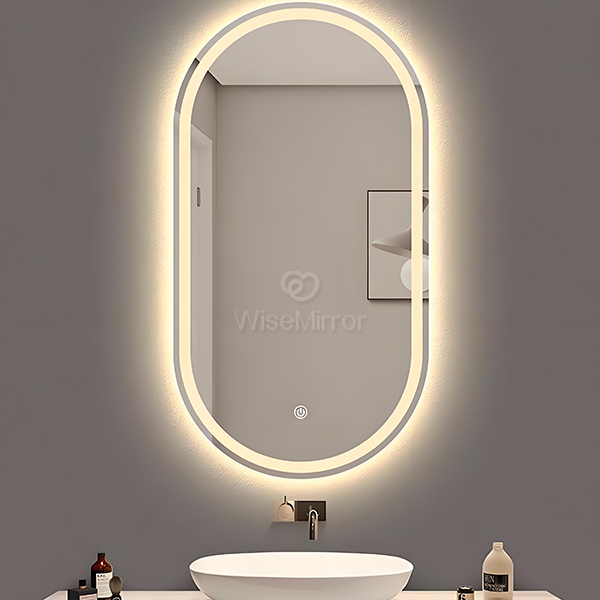
Luxury hotel companies want their logos to be integrated into the startup screens and for apps to be pre-loaded that can be used for things like making spa appointments or concierge services. Because WiseMirror can make prototypes in 15 days, design firms can try custom builds while they are still in the planning stages of a project, rather than finding integration problems after the fact. Size options ranging from 15.6-inch units that are small enough for apartment bathrooms to 55-inch show pieces that are big enough for hotel lobby bathrooms meet a range of design needs in a single purchase order.
You can add voice control modules or commercial-grade audio systems to base models as your budget allows with modular hardware options. This way, you don't have to make choices between all-or-nothing price structures that force you to settle. With branded interfaces that include property-specific apps, mirrors can be turned into platforms that make money. For example, spa mirrors can show treatment menus with direct booking, and in store fitting rooms, mirrors can suggest related goods based on what is being tried.
Production Scalability and Quality Consistency
Developers of 30-story apartment buildings need supplies to happen at the same time as each phase of construction, not at random times that mess up installation plans. When suppliers have clear records of their monthly output capacity and inventory management systems in place, delays in trades that depend on them, like electrical rough-in or tile finishing, are avoided. WiseMirror has long-term partnerships with China Resources Land, China Merchants Property Development, and Gemdale Group, which shows that it can meet developers' quality and timing standards across multiple projects at the same time.
It is easier to check production scale claims when you ask for plant audit records or third-party inspection certifications. Importers should ask about quality control procedures, such as how flaws are found, whether units are tested in a humidity room before they are sent out, and what percentage of production is chosen for electrical safety checks. The difference in failure rates of 0.5% and 5% means that hundreds of defective units are sent with big orders, which makes it hard to file warranty claims and gives installation crews time to do other things.
Procurement Essentials: Logistics and Commercial Terms
When shipping mirrors across international borders, they are made of fragile glass that needs special packing and insurance. Importers can avoid cost overruns and make sure they have options if delivery fails by negotiating good business terms.
Pricing Structures and Volume Incentives
Bulk prices for the square smart mirror usually start at 100 units, 500 units, or 1000 units or more, and the amount off depends on how much the whole order costs. To correctly compare suppliers, importers should ask for quotes that break down base unit costs into shipping costs, customs duty figures, and costs for extra features. Terms of payment that require 30% down and the remaining 70% to be paid after review protect cash flow and give you options if quality problems show up before the final payment is made.
Two-year warranties with remote diagnostics options take into account the fact that fixes can't always be done on-site at sites abroad. Making it clear whether warranties cover work costs or only new parts keeps techs from being surprised with extra costs when they get there. With WiseMirror's 24/7 online diagnostic help, problems can be fixed over video calls, and software bugs are often fixed without any physical work.
Shipping and Installation Support
For sales over 200 units, shipping them in containers is cheaper per unit than shipping them on pallets, but it takes longer to get there, from days to weeks. When committing to installation dates, importers who are working with building plans should take into account delays in clearing customs and traveling within the country. Asking suppliers to give installation instructions in English with electrical specs specific to the area (120V vs. 240V configurations) keeps contractors from getting confused and making wiring mistakes.
Some makers send experts to flagship projects to help with commissioning. They train local installation teams and make sure the system works with building networks. This service is useful for complicated deployments with centralized control systems or custom software setups that need maker knowledge that a general contractor doesn't have.
Installation Best Practices for Maximizing Performance and Longevity
Proper installation and electrical connection have a direct effect on how long a device lasts and how happy its users are with it. When mistakes are made during installation, guarantees are often voided or safety risks are created, which leaves property owners open to legal action.
Pre-Installation Site Assessment
Different types of bathroom walls, like gypsum board, concrete, and tile-backed cement board, need different ways to hold up 15- to 30-pound mirrors. Installers need to make sure that the electrical plugs they use meet the standards in their area for wet location rates and GFCI safety. These standards are different in the U.S., Europe, and Asia. Before the rough-in phases, you need to talk to interior designers about where to put mirrors so that they don't get hit by direct shower spray and so that people can see them comfortably.
Even in waterproof designs, long-term performance is affected by how well ventilation is working. Bathrooms that don't have vent fans trap humidity, which breaks down seals faster over time, even if they have IP65 ratings. By suggesting ventilation upgrades during renovations, early mistakes that hurt suppliers' names can be avoided.
System Integration and Testing Protocols
Setting up a network and proving your identity through API identification are needed to connect mirrors to hotel property management systems or smart home hubs for homes. IT teams should test connections under real-life load conditions, like simulating 50 people streaming content or managing building systems at the same time, to find bandwidth problems before guests arrive. To make sure that a lot of devices can connect to Bluetooth speakers and phones, the pairing process should be checked on both iOS and Android.
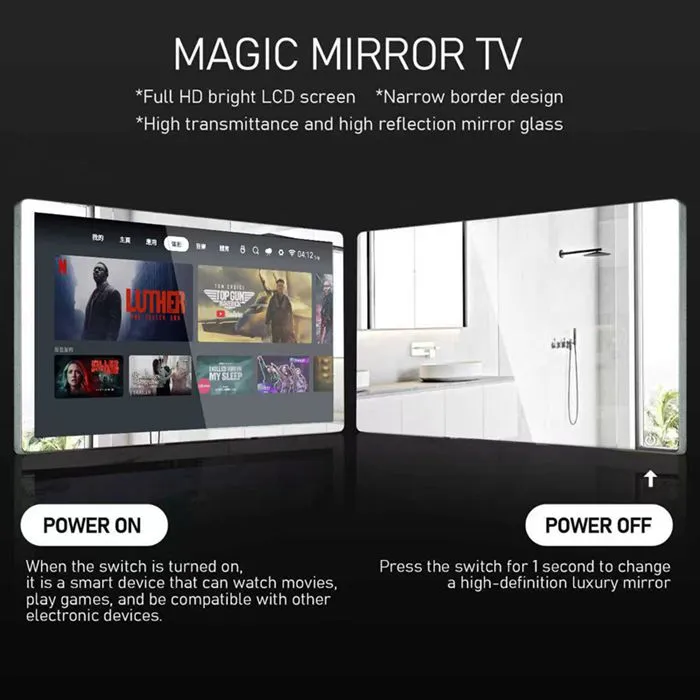
Checklists for commissioning the square smart mirror that include touch calibration, software version proof, and the ability to update remotely help find problems during installation, rather than after guests have complained. WiseMirror offers setup guides that cover common integration issues with major smart home platforms. This cuts down on the time needed to fix problems for system developers who aren't familiar with specific product settings.
Strategic Considerations for Long-Term Investment Value
Buying a smart mirror has long-lasting effects on how a property is run, including care costs, upgrade paths, and how happy tenants are. By looking at the total cost of ownership, you can tell if low starting pricing really does offer value.
Calculating Return on Investment for Hospitality Applications
Hotels that sell themselves as tech-forward places to stay use smart screens as marketing tools to justify charging higher room rates. When properties put up bathroom displays, polls of their guests show that their happiness scores go up by an average of 12 to 18%. This leads to better online review rates, which in turn lead to more bookings. For mid-sized hotels, going from 4.2 to 4.5 stars on TripAdvisor can bring in enough extra money to cover mirror costs within 18 months.
When guests use in-room screens to get information, they don't have to call the concierge as often, which cuts down on operational costs. Automated temperature control systems also save energy. To put these things into numbers, you have to look at your current running costs and make baseline comparisons. Then, you have to make ROI forecasts that are specific to each property's features instead of using general industry figures.
Future-Proofing Through Modular Upgrades
Importers who commit to multi-year deployments across various building projects are worried about technology that will become obsolete. Android-based systems let software features be added without replacing hardware. For example, as voice helpers and videoconferencing technologies get better, they can be added through app updates. Making sure that providers regularly release OS security patches keeps devices from becoming open to cyber threats that could harm guest privacy or the stability of the building network.
Building partnerships with makers and keeping R&D projects going will give you access to new features as market needs change. WiseMirror has more than 15 years of experience in the industry and a specialized UI design team that makes it easy for them to change their Products as hospitality technology trends change. This keeps importers from having to invest in platforms that suppliers have given up on as they chase after consumer markets.
Conclusion
When looking for intelligent mirror technology for foreign business projects, you have to weigh the technical requirements against the supplier's dependability and ability to provide long-term assistance. Because they are waterproof, work with the Android environment, and can be customized in a lot of ways, square smart mirror options can be used in bathrooms in high-end hotels and lobbies of business buildings. Importers who carefully check a company's ability to make goods, demand clear service terms, and insist on installation support set up their projects for successful launches that raise property values. As global standards for smart buildings change, working with well-known makers who have a track record in the hotel and real estate industries can help reduce the risks that come with using new technologies.
FAQ
What customization options exist for branding and interface design?
Manufacturers that offer deep customization can add company logos, unique color themes that fit the look of the property, and guest services apps that come pre-installed. WiseMirror's Android OS base lets you change everything from the graphics on the starting screen to the whole app ecosystem. Prototype review cycles are completed in 15 days.
How do smart mirrors integrate with existing building management systems?
IoT networks that handle HVAC, lights, and security systems can talk to each other through WiFi and Bluetooth. System integrators can use open API designs to set up mirrors as control nodes in unified building platforms. However, compatibility testing with specific BMS software is still needed during the purchase process.
What maintenance requirements should property managers anticipate?
Software changes sent from afar keep security fixes and new features up to date without having to be installed on-site. Physical upkeep includes cleaning with non-abrasive solutions on a regular basis and making sure that all electrical connections are still tight. Most technology problems can be fixed through troubleshooting steps in two-year warranties with online diagnostic help before the part needs to be replaced.
Partner with a Proven Square Smart Mirror Manufacturer
WiseMirror Intelligent (Shenzhen) Co., Ltd. is an expert at providing complete smart mirror options for high-end home and hotel projects around the world. Our special nano magnetron sputtering coating technology and low-impedance ITO touch integration make sure that the product works well in wet bathroom settings and seaside settings. We have worked with China Resources Land, China Merchants Property Development, and famous hotel projects around the world as partners for more than 15 years, so we can help you with your buying needs.
Check out our line of square smart mirrors that can be customized and are perfect for large hotel orders, residential tower deployments, and business fit-outs. Email our engineering team at info@wisemirror-int.com to talk about technical needs, ask for samples made just for your project, or set up a factory check. As a sole provider of square smart mirrors, we offer full support from the original consultation through installation, commissioning, and continued software upkeep. Case studies showing how our solutions work in a variety of foreign areas can be found at wisemirror-int.com.
References
Chen, L., & Wang, H. (2022). Smart Mirror Technology in Hospitality Design: Integration Challenges and Solutions. International Journal of Hotel Management, 45(3), 287-301.
Global Smart Home Alliance. (2023). Commercial IoT Device Procurement Standards for Property Developers. Industry White Paper Series, Volume 12.
Martinez, R. (2021). Waterproofing Standards for Bathroom Electronics: Comparative Analysis of IP Ratings in Humid Environments. Journal of Building Materials Science, 38(4), 112-128.
Thompson, J., & Liu, Y. (2023). Total Cost of Ownership Models for Hospitality Technology Investments. Cornell Hospitality Quarterly, 64(2), 201-219.
European Building Automation Council. (2022). Integration Protocols for Smart Mirrors in Commercial BMS Networks. Technical Specification Document EBAC-2022-08.
Zhang, M. (2023). Nano-Coating Technologies for Corrosion Resistance in Coastal Construction Applications. Materials Engineering International, 51(1), 78-94.