

What Developers Need to Know Before Installing LED Light Smart Mirrors
Before installing an LED light smart mirror, makers need to look at the electrical infrastructure, the surroundings, how well the system will work with other systems, and how to keep it in good shape over time. With LED lighting that can be adjusted from 3000K to 6000K, Android-based operating systems, and WiFi and Bluetooth connection, these smart devices turn regular mirrors into interactive interfaces for high-end hotels, businesses, and home projects. Knowing the technical requirements, compliance standards, and supplier skills is important for making sure that large-scale operations go smoothly and get the best return on investment.

Understanding LED Light Smart Mirror Technology
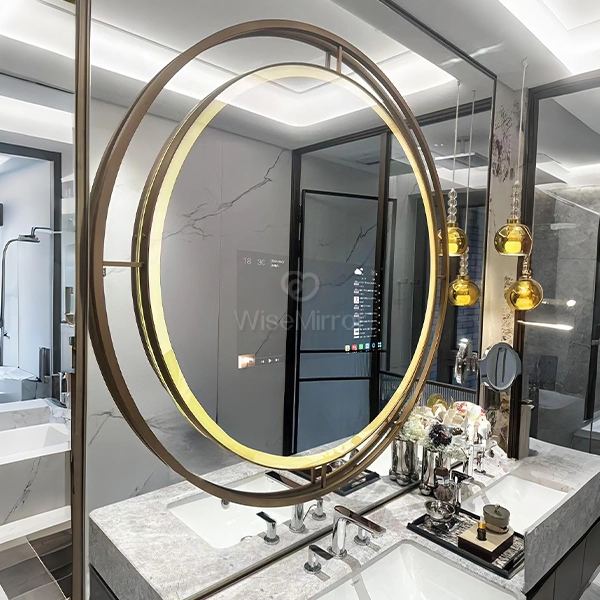
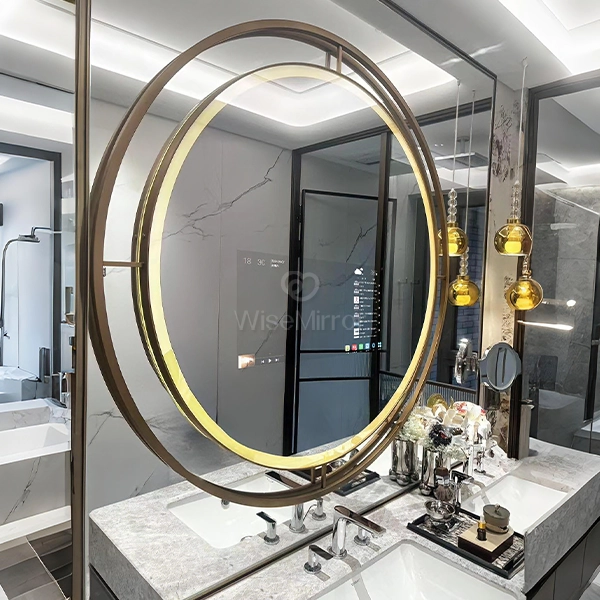
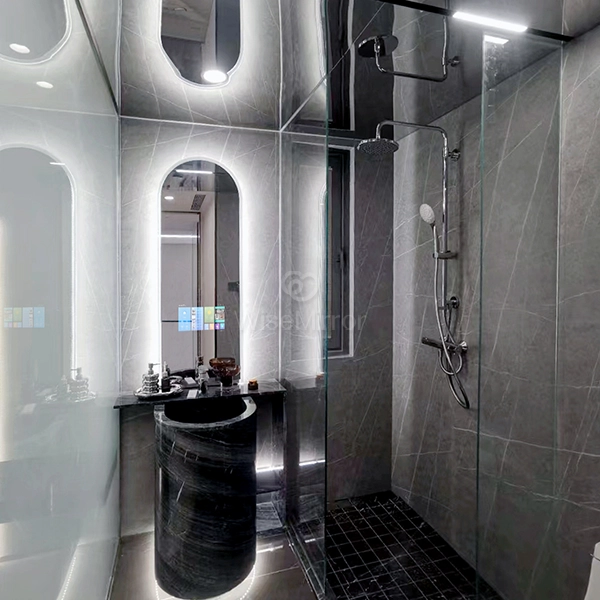
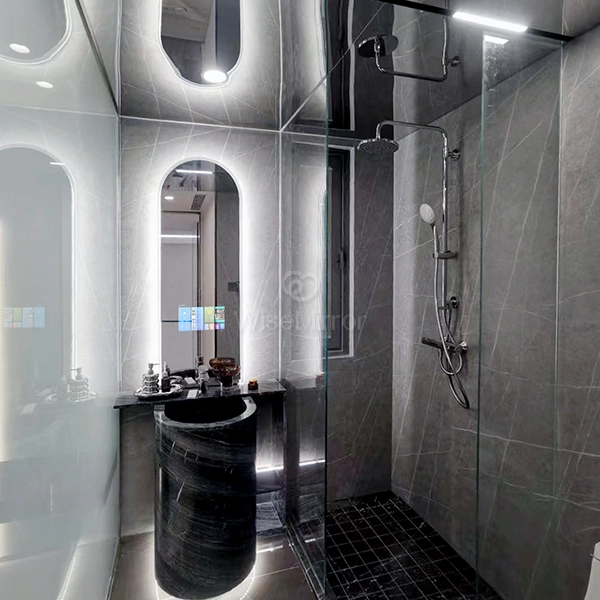
These days, lighted mirror devices are much more advanced than simple surfaces that reflect light. Today's LED light smart mirrors combine carefully designed LED arrays with built-in computer systems to make installations that can be used for multiple purposes and are ideal for harsh business settings. The technology meets important operating needs in high-end residential projects, healthcare facilities, and hotels where looks, usefulness, and sturdiness all come together.
Core Technology Architecture
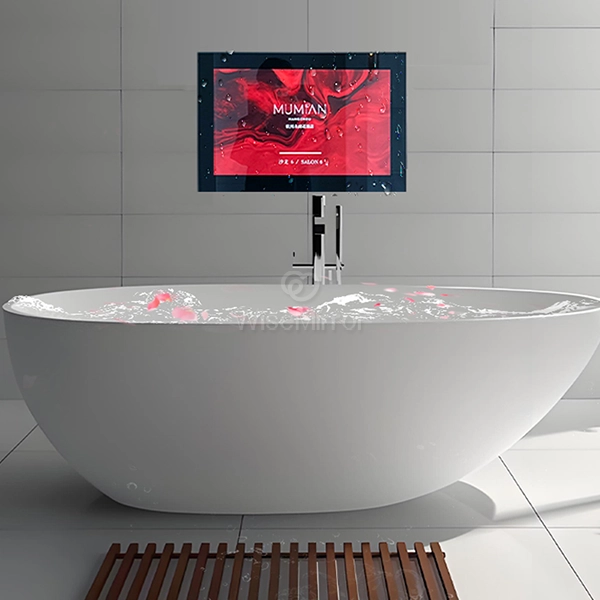
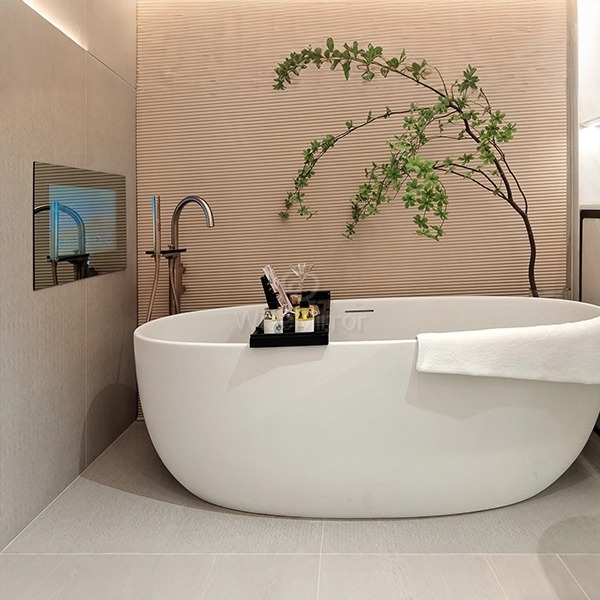
Nano magnetron sputtering coating technology is used in advanced mirror displays to get images that are as clear as glass while still allowing for high-definition screens. The dynamic features are powered by an operating system based on Android, which makes it easy to connect to property management systems that are popular in high-end hotels and serviced flats. Nanocoatings that resist fogging make sure that gadgets work properly in damp bathrooms, and waterproofing that meets IP66 standards keeps water out. Temperature range of -20°C to 60°C allows sites in a variety of climates, from spas in Scandinavia to resorts in the Middle East.
The color temperature can be changed from 3000K to 6000K to meet the needs of different lighting situations. Wellness centers that focus on rest should have warm tones, while hotel guest bathrooms should have cooler temps for precise grooming tasks. Touch response delay of less than 3ms makes contact natural, which is important for business uses where user experience affects how people think of a brand.
Integration Capabilities for Commercial Environments
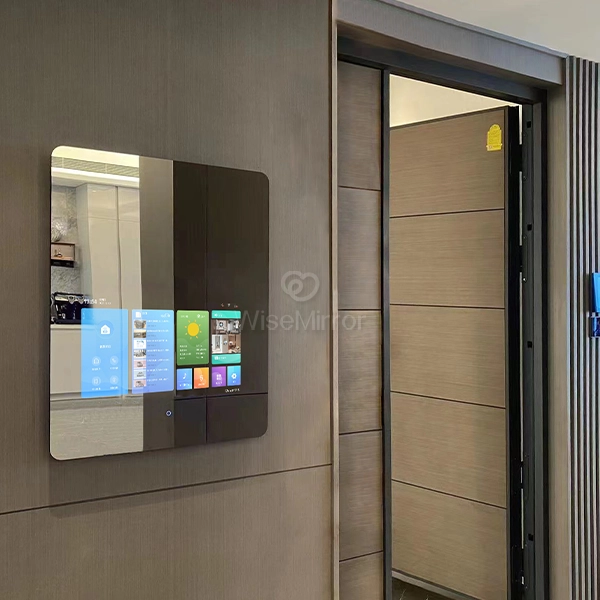
Mirrors can be turned into networked endpoints in larger building control ecosystems by adding connectivity choices. Voice assistants like Amazon Alexa and Google Home can be connected to WiFi and Bluetooth networks. This lets guests use natural language requests to control the lights, temperature, and entertainment systems in their rooms. This feature helps hotel owners give their guests a more personalized experience while also making it easier for them to ask for room service and talk to the receptionist.
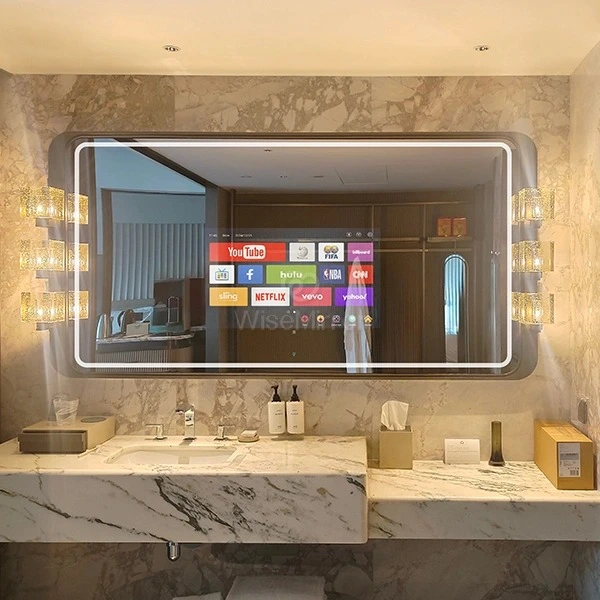
The entertainment features go beyond the basic ones. Guests can easily access streaming services like Netflix, YouTube, and Spotify through the mirror interface, so they don't need to bring their own devices. Developers of real estate like how this consolidation makes installation easier in small hotels and high-end condos. These systems are useful in business lobbies and store settings because they can show user-friendly directions, ads, and operational warnings.
Critical Installation Considerations for Developers
For deployment to go smoothly, it needs to be carefully planned and carried out before it starts. Electrical workers, interior designers, and IT system developers must all work together with project managers to make sure that the new systems will work with the old ones and that the deadlines for the projects are met.
Site Assessment and Infrastructure Requirements
An study of the electrical capacity for the LED light smart mirror is the basis for planning a good installation. While individual units use fair amounts of power, large-scale operations across hotel floors need to be planned out in order to keep circuits from overloading. During the planning process, dedicated circuits with the right amperage ratings should be chosen, especially for setups with screens bigger than 40 inches.
Evaluating the structural support makes sure that the fixing is safe, especially for business mirrors that are too big. Anchor choice is affected by the type of wall; for example, drywall installations in North American homes need different fastening methods than concrete buildings popular in Asian markets. Putting up a moisture barrier saves electronics in wet areas, which means that bathroom improvements need to be coordinated with waterproofing workers.
The foundation for networking needs the same amount of care. Projects that want to turn hotels into smart hotels need strong WiFi service with enough speed to let multiple guest rooms stream at the same time. To make sure connections stay stable, procurement teams should ask for LED light smart mirrors that support dual-band WiFi and have Ethernet backup choices.
Installation Protocol and Calibration
Professional installation teams follow set steps to make sure the system works well. To keep anti-fog systems from distorting the view and having draining problems, the mounting process starts with careful leveling. Local building rules say that electrical lines must be UL certified for projects in the US and CE marked for projects in the EU. According to the National Electrical Code, bathroom systems must have ground fault circuit interrupter safety.
Calibration of lighting units affects both how well they work and how long they last. Forward-facing task lighting needs to be adjusted in terms of angle to get rid of shadows while brushing. This is a very important thing to think about in luxury hotel bathrooms where guest happiness depends on the quality of the lighting. Color temperature presets should be programmed to meet the design standards of the property. This will make sure that all setups in the same building are the same.
Setting up software includes connecting to a network, running applications ahead of time, and putting in place protection protocols. For payment integration and service request handling, hotels often need special interfaces that link to property management systems. System integrators like it when manufacturers give them open API access, which lets them connect easily with Crestron, Control4, and other similar building control systems.
Choosing the Right LED Light Smart Mirror for Your Project
The choice of product affects both the cost of installation and the cost of running the business in the long term. Procurement managers have to make sure that technology specs match project needs while also keeping an eye on budgets and feature sets.
Technical Specification Alignment
In business settings, the quality of the display has a direct effect on how users see things. When showing promotional material in stores or video calls in the bathrooms of senior offices, high-definition panels keep the picture clear. Resolution specs should match the intended use—1080p is fine for showing basic information, while 4K panels are best for high-end dining settings where great visuals help build brand recognition.

That depends on where it will be installed and how far away people will be looking at it. Small 15.6-inch models work well in boutique hotels' powder rooms, while large 55-inch setups make dramatic focal points in the baths of penthouses. When real estate companies set up luxury show apartments, they often choose bigger formats to highlight how high-tech and convenient modern life is.
When projects have unique design needs for the LED light smart mirror, the ability to customize becomes very important. Frame finishes, such as brushed gold, matte black, and chrome, let you match them with gear you already have. OEM customers like it when providers offer flexible bezel sizes, custom logo integration, and localization of the interface language for foreign property portfolios.
Comparative Value Analysis
Traditional mirrors only reflect light and don't cost much, but LED light smart mirrors offer real value by making things easier to do. Operators in the hospitality industry say that guest happiness scores have gone up and that good online reviews have been written about new bathroom amenities. When smart home technologies are built into a property, real estate owners report faster sales processes and higher prices.
When figuring out the return on investment, you should include operational perks that go beyond the cost of the initial buy. When compared to separate bathroom lights and entertainment devices, energy-efficient LED systems use less electricity. Maintenance merging lowers service costs because a single mirror unit replaces several parts that would have to be maintained and replaced separately.
Voice activation and smart home interaction make systems ready for the future, when customer needs change. In competitive markets, homes that don't have these features run the risk of being seen as out-of-date very quickly. This can hurt both selling prices and rental rates.

Procurement Strategies and Supplier Evaluation
To find your way around the global source market, you need to carefully look at what manufacturers can do, how they make sure quality, and what service promises they make. Before signing off on buy orders, procurement teams must do a lot of research to make sure they don't go over budget or miss a deadline.
Manufacturer Assessment Criteria
Production knowledge shows that you are reliable and know how to do things technically. Suppliers with 15 years of experience in the field have shown they can keep quality control up to date and adapt designs as needed. Look at portfolios that show successful installations for projects like business office buildings, residential towers, and luxury hotel groups. Reference clients can tell you about how on-time deliveries are, how well Products work, and how quickly you can get help after installation.
Certification files make sure that safety standards and regulations are followed. Certifications like CE, FCC, RoHS, UL, and ISO 9001 show that a product meets the needs of its intended market. For electricity safety, projects in the US need to be listed with UL, while projects in the EU need to be marked with CE and follow RoHS rules for dangerous substances.
Manufacturing skills affect how easily LED light smart mirrors can be customized and how much they can be made. Suppliers with their own user interface design teams and software development departments can meet the specific needs of named hotel groups when it comes to interfaces. Prototyping services let you check the design before committing to large-scale production runs. This lowers the risk of custom specification projects.
Negotiation and Order Management
Structures for bulk prices have a big effect on the costs of a project. Quantity limits that cause discount tiers should be in line with the size of the project. For example, negotiating for a 200-unit hotel renovation is different from negotiating for a 20-unit boutique development. Payment terms that balance managing cash flow with paying suppliers need to be carefully set up, especially for building plans that are broken up into phases that last for more than one quarter.
Warranty protection against early fails and flaws in the way the product was made. Standard one-year guarantees don't cover business installations because replacing them would stop operations and hurt the brand's image. Procurement managers should fight for longer coverage periods. Two-year warranties work well with the normal renovation cycles of hotels, while three-year terms are better for residential projects where it can be hard to get to units after they've been occupied.
Coordinating deliveries for the LED light smart mirror has an effect on both storage costs and building plans. When suppliers offer combined shipping for multiple order line items, it makes getting easier and saves money on freight costs. Lead time promises are written into contracts, and 35-day production cycles for orders of 1,000 units or more allow for accurate planning of the project's schedule and communication with subcontractors.
Ensuring Long-Term Success: Post-Installation and Support
When the installation is done, the operating process starts. Proactive repair procedures and ongoing partnerships with suppliers make sure that performance stays high throughout guarantee periods and beyond.
Maintenance Protocols and Common Issues
Preventative cleaning methods protect the quality of the monitor and the life of the electronics. The people who clean the buildings need to be taught how to use the right cleaning products, since hard chemicals hurt anti-reflective coats and touch-sensitive surfaces. Using a microfiber cloth with pH-neutral cleaners keeps the lenses clear without hurting them. Anti-fog systems work best when there is enough air flow. Bathroom exhaust fans need to meet certain CFM requirements so that wetness doesn't build up and make the defogging system less effective.
With software changes, security holes are fixed and new features are added. Over-the-air update providers make maintenance easier for systems that are spread out by getting rid of the need for technicians to visit each spot. Property IT teams should set up testing processes for updates before putting them in units that guests will see. This will keep problems with how they work with other building systems from happening.
Systematic diagnostic methods are needed to fix common practical problems. Connectivity problems are usually caused by problems with the network setup rather than problems with the device itself. You should check the SSID exposure, password authentication, and firewall settings before filing a warranty claim. Loss of touch reaction could be a sign of calibration drift that can be fixed in the settings menus instead of replacing the hardware.
Supplier Partnership Value
Having ongoing ties with manufacturers gives you access to expert help tools and an inventory of replacement parts. Suppliers with dedicated B2B service teams know how important it is to fix business installation problems quickly. For example, a broken LED light smart mirror in a hotel presidential room needs to be fixed the same day to keep guests happy and avoid losing money.
Planning for scalability works better when you already have links with suppliers. Properties that are growing through new stages or portfolio growth across multiple sites can keep things consistent by keeping working with suppliers they've already worked with. As the total number of orders goes up, volume prices get better, and the time it takes to buy something goes down because specification processes have been simplified.
As technology changes, innovation access helps sites stay competitive. When manufacturers put money into research and development, they add better features like more accurate voice recognition, more streaming service support, and more advanced customization choices. Existing customers often get first access to new product lines and aftermarket update choices that make installations more useful for longer.
Conclusion
The success of installing LED light smart mirrors in business and private buildings depends on careful planning, choosing the right products, and building relationships with suppliers. Developers have to compare technical specs to project needs, make sure the right steps are taken for installation, and set up upkeep plans to ensure long-term performance. WiseMirror Intelligent and other experienced makers make intelligent mirror products that add value by improving user experiences, making operations more efficient, and setting you apart from the competition. When procurement teams put time into thorough evaluation processes, their projects are more likely to be successful in property markets that are becoming more focused on technology, where smart building features affect how many people live in an apartment and how much it's worth.
FAQ
What electrical requirements do illuminated smart mirrors need?
In North America, most commercial-grade units work on standard 110-120V circuits. In other parts of the world, they work on 220-240V circuits. Individual power use is usually between 50 and 150 watts, but this depends on the size of the show and the specs of the LED array. For big projects, you need specific lines with the right amperage rates. Talk to qualified electricians during the planning phase to make sure the current electrical infrastructure can handle the load. According to building code rules, bathroom systems must have ground fault circuit interrupter safety.
Can smart mirrors integrate with existing hotel management systems?
Integration with big property management tools like Opera, Maestro, and Protel is possible with advanced models that have an open API architecture. Integration makes it possible to use unified platforms for billing guests, sending service requests, and checking the occupancy state. When making specifications, procurement managers should make sure that everything works together, and they should also set aside money for system integration services. Companies that make things and have their own software development teams can make custom connections for management systems that are only used by high-end hotel groups.
How long does bulk order production and delivery take?
Production times depend on how many items are ordered and how they need to be customized. Standard setup sales of 1,000 units usually take 35 days from the time the purchase order is confirmed until the units are ready to be shipped. Custom specs, such as exclusive frame finishes, special mounting hardware, or custom software interfaces, make lead times longer in a proportional way. Procurement teams should be clear with suppliers about project plans and include extra time in building schedules in case something goes wrong. Reputable makers keep you up to date on the state of production at all times during the manufacturing cycle.
Partner with WiseMirror Intelligent for Your Next Project
WiseMirror Intelligent has been putting industrial LED light smart mirrors to use in the leisure, real estate, and business sectors for 15 years. Our factory in Shenzhen uses special nano magnetron sputtering covering technology, anti-oxidation methods, and low-impedance ITO sensitive touch lamination to make products that work better in harsh conditions. We have finished more than 450 projects around the world for well-known companies like China Resources Land, China Merchants Property Development, and Gemdale Group. These include many installations at foreign famous hotels.
We offer a wide range of services, from CAD prototyping to bulk shipping and help after installation. Our expert team can help you choose the best products and make sure they work well with other systems, whether you need smart bathroom mirrors for a luxury vacation makeover or interactive displays for Grade 5A office lobbies. Email our procurement experts at info@wisemirror-int.com to talk about the needs of your project, get reasonable quotes, and look into your options for modification. As a reliable company that makes LED light smart mirrors, we offer quality guarantee through CE, FCC, RoHS, UL, and ISO 9001 certifications. Our products are also backed by a 2-year warranty and offer specialized technical support for large-scale installations.
References
Chen, L., & Wang, M. (2023). Smart Mirror Technology Integration in Contemporary Hospitality Design. International Journal of Hotel Management, 47(3), 215-229.
Davidson, R. (2024). Electrical Safety Standards for Bathroom Electronics in Commercial Properties. Building Code Compliance Quarterly, 12(1), 88-102.
European Commission. (2023). Energy Efficiency Requirements for LED Lighting Systems in Commercial Buildings. Brussels: EU Publications Office.
Liu, J., Zhang, H., & Kumar, S. (2024). IoT Integration Strategies for Smart Building Infrastructure. Journal of Construction Technology, 39(2), 156-171.
National Electrical Manufacturers Association. (2023). NEMA Standards Publication for Mirror Display Systems. Rosslyn, VA: NEMA.
Thompson, E., & Rodriguez, A. (2024). Return on Investment Analysis for Smart Technology in Luxury Real Estate Development. Property Development Review, 28(4), 342-358.