

What Should Fitness Studios Consider When Buying Commercial Smart Mirror TV Systems?
When purchasing interactive fitness technology, gym operators must evaluate whether an OEM commercial gym smart mirror delivers durability, software compatibility, and brand customization tailored to high-traffic environments. Unlike residential models, commercial-grade systems prioritize seamless integration with property management platforms, long-term reliability under continuous use, and white-label branding that aligns with your venue's identity. Selecting the right supplier involves assessing hardware certifications, after-sales technical support, and the manufacturer's track record in large-scale hospitality and wellness projects.
Understanding Commercial Gym Smart Mirror TV Systems for Professional Environments
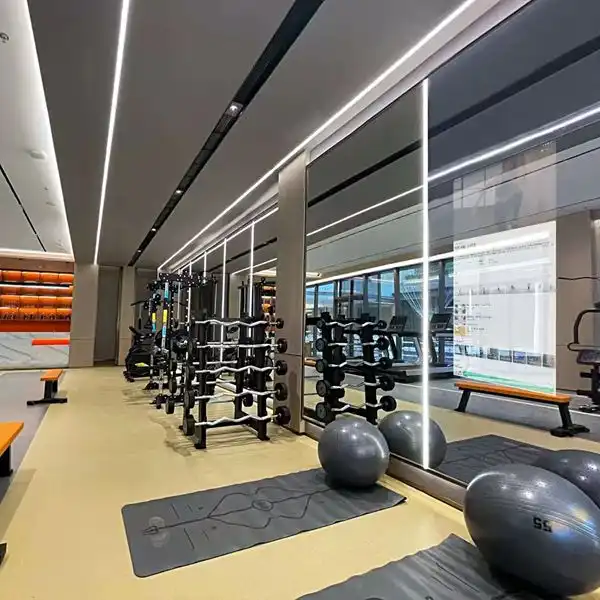
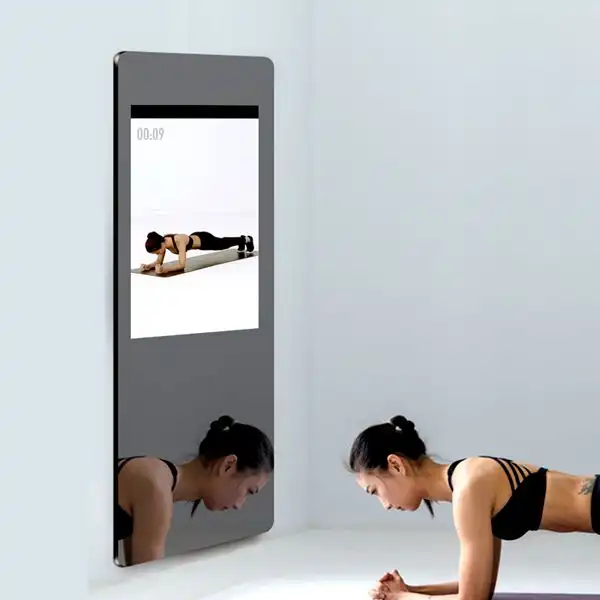
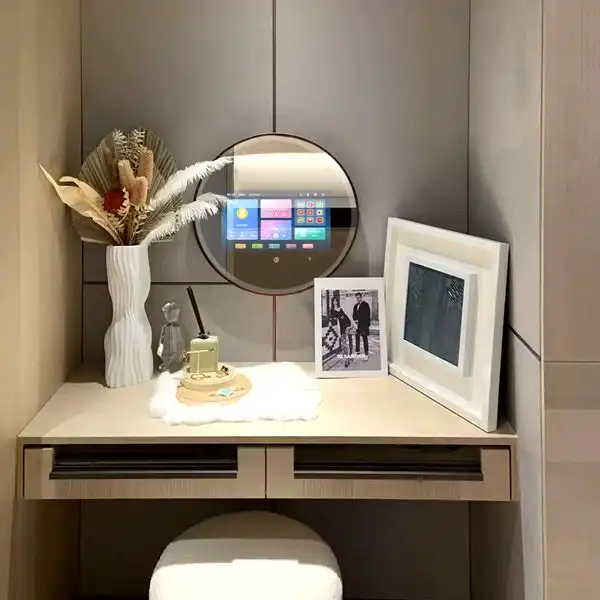
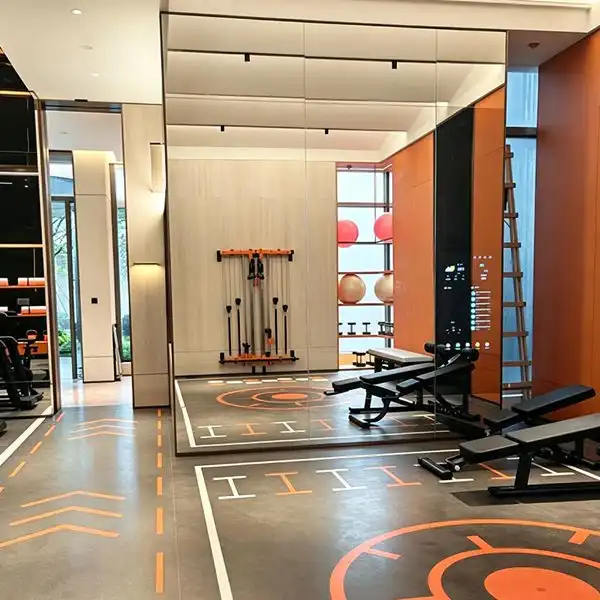
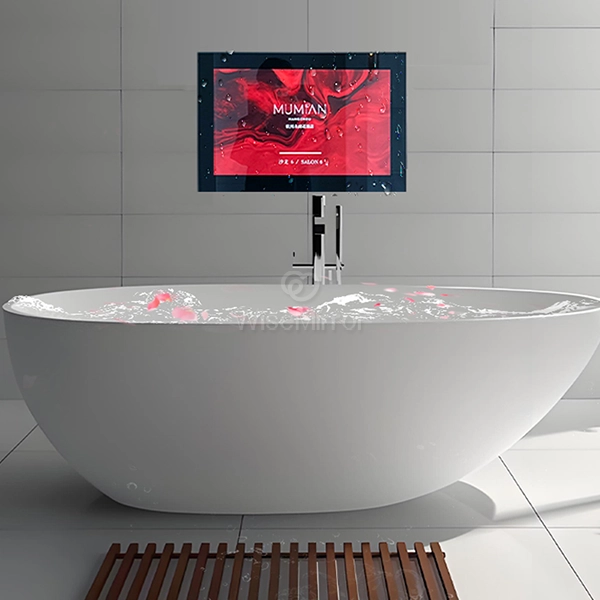
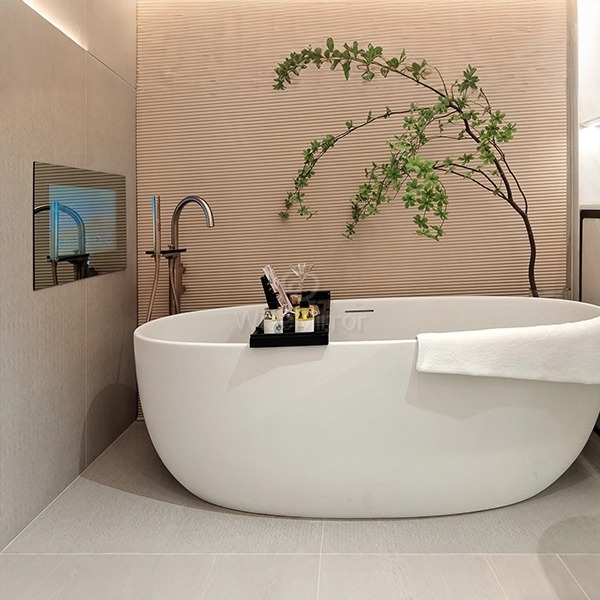
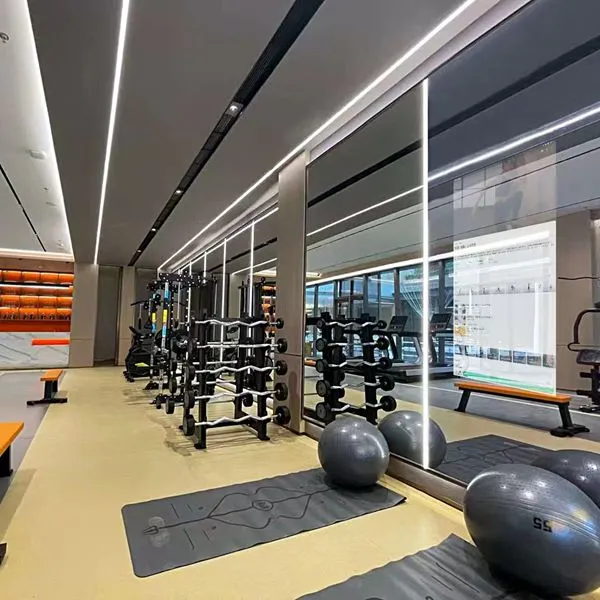
Equipment in modern fitness centers needs to be a mix of technology and space-saving design. Commercial smart mirror TV systems have HD screens built into mirrored surfaces. This makes stations that can lead workouts and check for proper form. These systems use Android-based operating systems, Wi-Fi connectivity, and responsive touch control to provide on-demand coaching content without taking up extra floor space. This is a huge benefit for small studios and hotel fitness centers, where every square foot counts when it comes to making money.
It is important for procurement teams that are in charge of updating hotel amenities or showing off new housing developments that they know the difference between consumer-grade mirrors and OEM commercial gym smart mirror solutions. For commercial units, the glass is reinforced to prevent explosions, there are anti-fog coatings for damp places, and the frames are made not to rust so they can handle sweat and being cleaned often with industrial-grade disinfectants. These technical standards directly address the problems that property managers in the health and hospitality industries have with running their businesses.
Why Commercial-Grade Specifications Matter in Hospitality Projects?
Hotel building teams and real estate managers put a high value on equipment that looks good and doesn't need as many repairs. Standard home mirrors don't have the structural stability needed to work 24 hours a day, seven days a week, for multiple users. Nano magnetron sputtering coating technology is used in commercial systems to stop oxidation. This means that the reflective surface stays perfect even after years of being wet and cleaned. This means that it will last longer, which means lower replacement costs and happy guests in fitness areas of high-end hotels and serviced apartments.
With low-impedance ITO capacitive touch technology built in, guests can control workout interfaces with just one tap, even if their hands are wet. Professional setups are different from consumer Products because they are faster. Consumer products may have lag or need more than one touch to register orders. Standardizing on reliable touch interfaces cuts down on the time it takes to train staff and the amount of trouble guests have during self-guided exercise classes for hotel groups and gym chains with multiple locations.
Interactive Features That Drive Member Engagement and Property Value
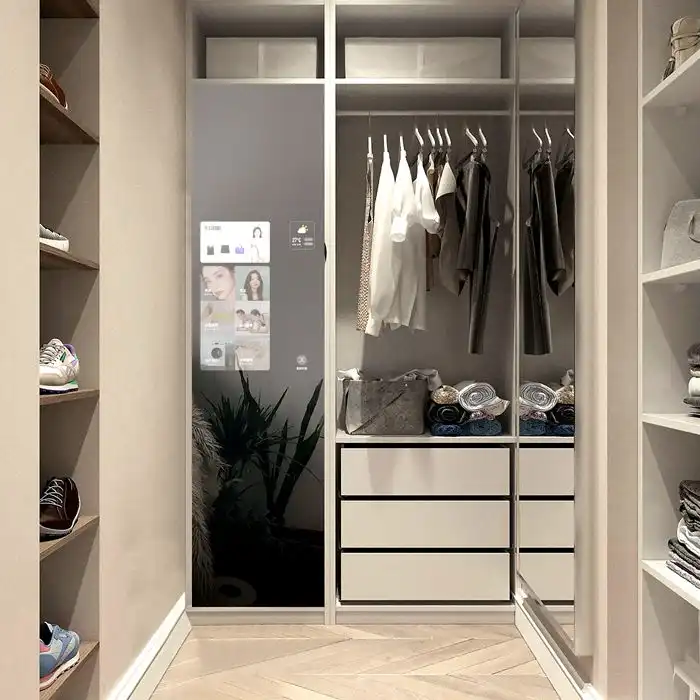
In addition to playing videos, more advanced commercial smart mirrors have AI motion recognition modules that correct your posture in real time. These features are used by luxury home builders in show flat home gym displays, showing how technology has raised the standards of modern living. When potential buyers see mirrors that accurately track movement and connect to heart rate monitors, they think the property is worth more, which is why premium price tactics are used.
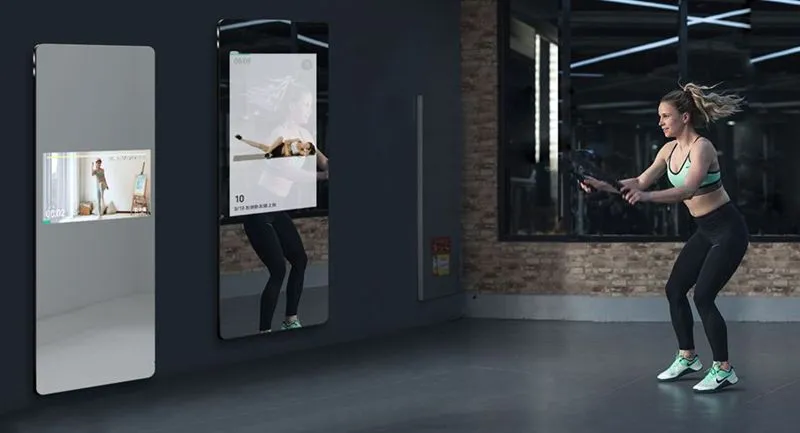
Hotel owners also benefit because they can give their guests personalized workouts that are on par with those at fitness clubs. Course libraries that come pre-loaded with HIIT, yoga, pilates, and strength training work for people of all fitness levels without the need for personal trainers on-site. Customizable branded start screens and UI interfaces make sure that the technology fits in with the property's look instead of looking like it was bought from somewhere else. This makes the brand stronger across all connections with guests.
Key Features and Customization Options to Look For in
Solutions
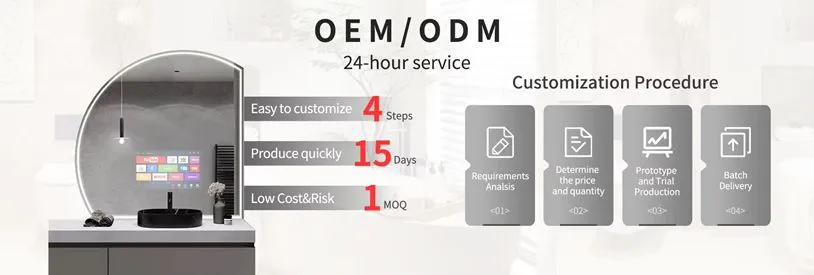
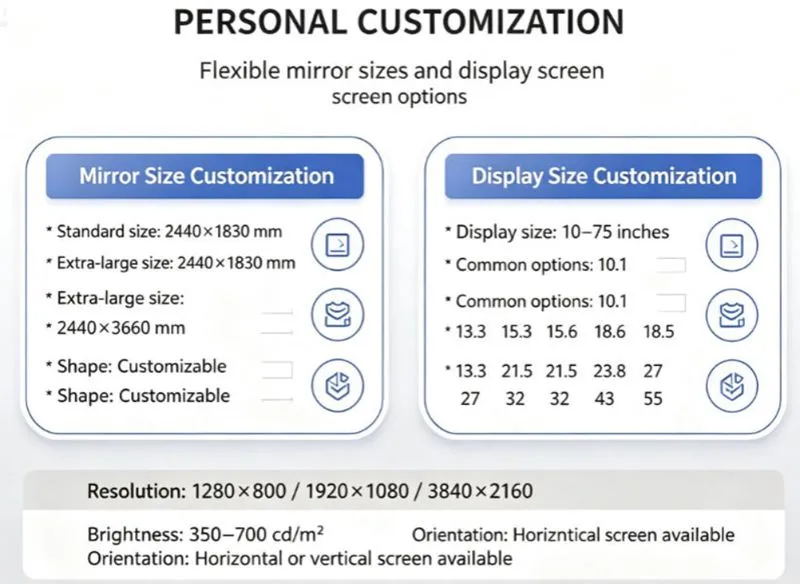
To judge commercial smart mirror systems, you have to look at both their hardware specs and how flexible their software is. Professional buyers should give top priority to makers that offer full customization, such as physical measures that match building plans and white-label software that works with existing gym management platforms. Instead of causing designers to make sacrifices with off-the-shelf products, WiseMirror Intelligent specializes in providing fully customized solutions where mirror sizes, frame finishes, and operating system setups exactly match the needs of the project.
Some important technical specs to look at closely for an OEM commercial gym smart mirror are the display's brightness levels (500–700 cd/㎡ is best for well-lit gyms), the resolution choices that can handle 4K content, and the connectivity standards that make sure the wireless performance stays solid. Mirrors with dual-band Wi-Fi, Bluetooth, and Ethernet backup keep connections from dropping during busy usage times. This is a must for business facilities because downtime hurts member happiness scores and online reviews.
Essential Hardware Components for High-Traffic Commercial Use
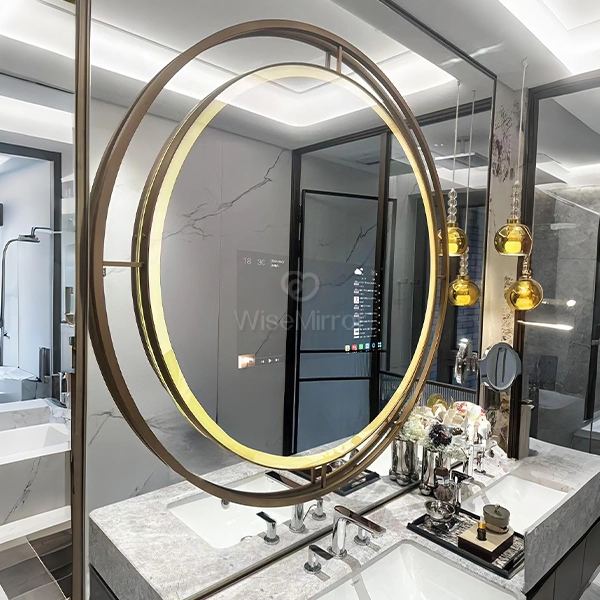
The frame material of the mirror has a big effect on how long it lasts and how often it needs to be cleaned. Custom powder finish on aluminum alloy frames keeps them from rusting from sweat and cleaning products. Stainless steel frames are better for coastal homes where salt air speeds up the rusting process. The engineering team at WiseMirror helps choose materials based on the conditions of each project site. They do this by using their knowledge from more than 500 installations, such as work with China Resources Land and Gemdale Group.
When choosing a display panel, you should think about how it will be mounted vertically, which is different from how TVs are mounted horizontally. In gyms with lots of windows, the brightness of the panels must be adjusted to account for the natural light, so that the content can be seen during the day. Adding automatic brightness sensors that change output based on the lighting around improves the user experience while saving energy, which is a green feature that corporate wellness centers and LEED-certified commercial buildings are increasingly looking for.
Software Customization and System Integration Capabilities
Aside from the hardware, how well the mirror works with third-party exercise apps and property management systems depends on how open the operating system is. The app communities for Android 11/12/13 are strong, but OEM makers should give developers access to SDK documentation and APIs so they can make their own apps. Because of this, hotel chains can make their own exercise apps that sync guest settings across multiple properties, giving members a consistent experience.
Support for multiple languages in the user interface meets the needs of foreign hotel chains that serve a wide range of guests. The ability to set up localized content libraries with instructors speaking guests' native languages lowers the barriers to technology adoption and raises the rate of use. When real estate developers show off show flats with content specific to the buyer's country, using mirrors with this information makes smart home features seem more like useful lifestyle improvements rather than cool extras.
Comparing OEM Commercial Gym Smart Mirrors: Making the Right Choice
Buying decisions depend on being able to tell the difference between suppliers based on their manufacturing skills, quality control methods, and support structures after delivery. Reputable OEM manufacturers have their own research and development (R&D) departments that are always improving how the hardware and software work together. They do this to meet new industry needs like better controls for data privacy and more IoT device compatibility. These ongoing improvements protect your investment by making sure that firmware updates keep up with changes in fitness technology trends so that your equipment doesn't become useless after two years.
Certification files are objective proof that a product meets international safety standards. Mirrors with CE, RoHS, FCC, and ISO 9001 licenses show that they meet quality management standards, electrical safety standards, and limits on dangerous materials. This is important proof for passing local checks and insurance companies. When working on hotel projects in more than one country, it's easier to follow the rules in North America and Europe if the sellers have large libraries of certifications.
Evaluating Build Quality and Performance Specifications
Commercial-grade mirrors are different because they are made of explosion-proof tempered glass that doesn't break when hit, so there are no legal risks in public workout areas. Anti-fog heating films keep reflections clear even in high-humidity areas like hotel spa fitness areas, where regular mirrors would need to be cleaned by hand all the time. These engineering details aren't as obvious as display specs, but they have a direct effect on operational efficiency and guest happiness measures that hotel management companies keep track of.
Response time testing for touch devices shows if capacitive sensors can keep their delay below 10 milliseconds when they are being used all the time. After months of use, poor touch systems get dead spots or need too much pressure, which is annoying for users and leads to maintenance calls. These operational risks can be reduced by choosing mirrors with tested ITO capacitive touch technology that is backed by data from accelerated life testing. WiseMirror's humidity cycling protocols (85% RH at 40°C) and 72-hour continuous aging tests make it feel like years of real-world use, so performance claims can be checked before they are put into use.
After-Sales Support Networks and Long-Term Service Commitments
Responsive technical help is what sets makers who care about their customers' success apart from transactional suppliers, and for an OEM commercial gym smart mirror, full service packages should include remote help for fixing software problems, the ability to get replacement parts with clear lead times, and the ability to have service done on-site for important installations. Hotel engineering teams really like it when providers offer one-on-one online support for synchronizing multiple panels and fixing bugs in the system. This cuts down on the need for expensive on-site expert visits during the initial rollout.
It's important to carefully read the warranty terms, making sure you understand what they cover for both hardware parts and software changes. Industry-standard warranties cover problems with the way the product was made, but more forward-thinking providers offer even more safety by including software patches that fix security holes and updates that make the product compatible with third-party exercise platforms. Knowing about these service agreements helps purchasing managers figure out the total cost of ownership, which includes more than just the purchase price. This shows which providers really provide long-term value.
Procurement Considerations for Fitness Studios and Hospitality Projects
When you buy strategically, you have to weigh the short-term budget limits against the long-term costs that will be incurred over five to ten years of use. Comparing unit prices is a good way to start the screening process, but smart buyers also look at minimum order amounts, payment terms, and wait times in the context of their project timelines and cash flow needs. Established OEM suppliers can handle large orders for chain gym rollouts with tiered pricing structures that reward commitments to volume while keeping quality the same across all units.
Transparency about lead times stops project delays that throw off building plans for everyone. Manufacturers whose supply chains are well-established give realistic production plans (usually four to six weeks after approval of the sample) and let customers know ahead of time if shortages of parts threaten delivery dates. This dependability is very important when installing mirrors as part of larger renovations that involve many trades working one after the other. Delays in delivering mirrors can keep whole construction teams from working, which costs a lot more than the price of the mirror itself.
Customization Requirements and Technical Specification Alignment
Specifications for the job should be very clear about the mirror sizes, mounting options, and frame finishes that need to fit architectural plans. The engineering team at WiseMirror makes CAD layout drawings and dimension templates that construction teams use during the rough-in stages to make sure that the locations of electrical outlets and network drops are exactly where the mirrors will be mounted. This level of detailed paperwork keeps expensive changes from having to be made in the field when the equipment gets there, which protects project budgets and schedules.
Custom branding elements like color-matched frames, silk-screened names, and unique boot animations turn plain equipment into branded property assets. For hotel chains with hundreds of properties that all have to follow strict brand standards, this customization feature makes sure that fitness amenities always reinforce visual identity. In the same way, real estate developers use branded smart mirrors in show flats to make their properties stand out so that potential buyers remember them when they are comparing properties. This turns investments in technology into measurable sales advantages.
Vendor Qualification and Risk Mitigation Strategies
Before placing big orders, companies should do their research and make sure that the makers can meet their needs in terms of production, quality control, and financial security. By visiting manufacturing facilities, you can find out if your suppliers have the automated production lines and environmental testing chambers that are needed to keep quality high on a large scale. Checking references with past clients, especially those who managed similar hospitality or private projects, can give you an honest picture of how responsive a seller is when dealing with problems after the work is done.
Instead of putting down deposits up front, which increases financial risk, the terms of the payment should be negotiated so that milestone payments are made when delivery and installation are complete. Suppliers with a good reputation will agree to terms that protect the buyer's interests, like delaying final payment until the system is successfully set up and staff training is complete. When you combine these business terms with clear warranty paperwork, you create responsibility systems that encourage suppliers to put the success of your project first.
Installation and Integration Best Practices for Commercial Deployments
Responsive technical help is what sets makers who care about their customers' success apart from transactional suppliers, and for an OEM commercial gym smart mirror, full-service packages should include remote help for fixing software problems, the ability to get replacement parts with clear lead times, and the ability to have service done on-site for important installations. Hotel engineering teams really like it when providers offer one-on-one online support for synchronizing multiple panels and fixing bugs in the system. This cuts down on the need for expensive on-site expert visits during the initial rollout.
Different types of walls—concrete, masonry, or metal stud framing—need different structural factors. Each type of wall needs different mounting tools and load-sharing techniques. WiseMirror sells heavy-duty concealed brackets, full hardware kits that work with standard commercial building methods, and installation guides that walk you through each step of the process. For complicated multi-panel installations that make continuous mirror walls, exact alignment procedures make sure that the final look is seamless and meets the high standards of luxury hotel design.
Network Infrastructure and Content Management Systems
Streaming doesn't get interrupted during workouts because exercise spaces have reliable Wi-Fi service. Before installing the copy, site surveys are used to find dead spots that need more access points or network extenders. Ethernet backup connections offer failover redundancy for mission-critical installations where losing wireless service would have a big effect on operations. Even tho these investments aren't made in the mirror itself, they have a direct effect on whether the technology works as promised.
Content management platforms decide how easy it is for staff to add new workouts, change the style of interfaces, and post promotional content on various mirrors. Cloud-based systems let owners with multiple locations have centralized control, so they can push changes to all of their sites at the same time from a single dashboard. For independent companies, easy-to-use local management interfaces let non-technical staff update material without having to call vendor support, which lowers the ongoing costs of running the business.
Staff Training and Guest Onboarding Processes
Even interfaces that seem simple need formal training to make sure that staff can fix basic problems and easily help guests. Comprehensive onboarding programs teach basic navigation skills, workflows for choosing content, and common ways to fix problems, like resetting connectivity and adjusting volume. WiseMirror offers training materials and remote training sessions that are customized to meet the operational needs of each property. This helps staff become more proficient faster and reduces their reliance on support staff.
Instructional signs facing guests and short tutorial videos built into the mirror's welcome screen make it easier for people to use, especially those who aren't used to fitness technology. Setting up for the first time can be scary, but clear visual cues make it easy to do things like connecting Bluetooth headphones, choosing the level of strength, and changing the display brightness. This turns potentially scary technology into features that guests want to use instead of avoiding.
Conclusion
When choosing commercial smart mirror TV systems, you have to find a balance between technical requirements, the ability to customize, and the reliability of the supplier, all while keeping project-specific limits in mind, and for an OEM commercial gym smart mirror, successful procurement teams give more weight to makers with a lot of experience in the field, strict quality control measures, and a history of success in both hotel and health installs. Buyers find solutions that make facilities more competitive while lowering their overall lifecycle costs by looking at beginning price along with hardware durability, software integration flexibility, and long-term service promises. Technology purchases can be turned into long-lasting operational assets through strategic relationships with vendors based on open communication and shared success measures.
FAQ
What is the typical lifespan of a commercial gym smart mirror?
Smart screens made for commercial use that are designed to work continuously usually last 50,000 hours or more, which is about eight to ten years of normal gym use (12 to 16 hours a day). How long something lasts depends on things like how well the humidity is controlled, how often it is cleaned, and how stable the electricity is. When professionally maintained, mirrors in climate-controlled hotel fitness centers often last longer than expected. Installations in uncontrolled environments, on the other hand, may need to replace parts earlier.
Can OEM manufacturers customize mirrors with our brand's content and interface?
OEM suppliers with a good reputation offer full customization, such as white-label UI design, custom boot animations with your logo, and their own content libraries. The software development team at WiseMirror works with clients to make branded interfaces that match other digital touchpoints. This makes sure that all property systems have the same look. This customization includes support for multiple languages, material that is special to each area, and the ability to connect to your current member management systems.
How do commercial mirrors differ from consumer-branded fitness mirrors?
Commercial units have strengthened construction that can handle heavy traffic, explosion-proof glass that meets public safety standards, and materials that don't rust even after being exposed to sweat and industrial cleaners every day. Software platforms offer business features like centralized content management, usage analytics, and API access for third-party integrations, which are not available in consumer products made for use by a single household. Commercial warranties and support structures meet the needs of business continuity that consumer-focused companies don't usually meet.
Partner with WiseMirror Intelligent for Your Commercial Smart Mirror Solutions
WiseMirror Intelligent has been creating interactive exercise mirror solutions for clients in the hospitality, real estate, and health industries for 18 years. As a well-known OEM commercial gym smart mirror manufacturer, we offer full customization, from precision-engineered hardware with nano magnetron sputtering coating technology to fully branded Android software platforms, making sure that your project's technical and aesthetic needs are met. Working with top developers like China Resources Land and Gemdale Group in the past shows that we can handle complicated multi-property deployments while keeping strict quality and time promises. Email our engineering team at info@wisemirror-int.com to talk about the details of your project, get unique demos, or set up a technical meeting. Find out how our commercial-grade smart mirror solutions can make your building more competitive and add real business savings. You can look at our full list of products and case studies at wisemirror-int.com.
References
1. International Health, Racquet & Sports Club Association (IHRSA). "Technology Trends Reshaping the Global Fitness Industry." Boston: IHRSA Publications, 2023.
2. Hospitality Technology Magazine. "Smart In-Room Fitness Solutions: Guest Expectations and ROI Analysis." New York: Questex Media Group, 2024.
3. Journal of Sports Science and Technology. "Interactive Display Systems in Commercial Fitness Environments: Engagement Metrics and Durability Standards." London: Taylor & Francis, 2023.
4. American Hotel & Lodging Association (AHLA). "Amenity Investment Priorities for Luxury and Upscale Properties." Washington: AHLA Research Division, 2024.
5. Commercial Integrator Magazine. "AV System Procurement Best Practices for Multi-Property Hospitality Groups." Stamford: Emerald Expositions, 2023.
6. Building Design + Construction Magazine. "Smart Building Technologies in High-End Residential Development: Buyer Preferences and Value Impact." Chicago: SGC Horizon Publications, 2024.