

How Interactive Smart Fitness Mirrors Are Used in Commercial Gyms
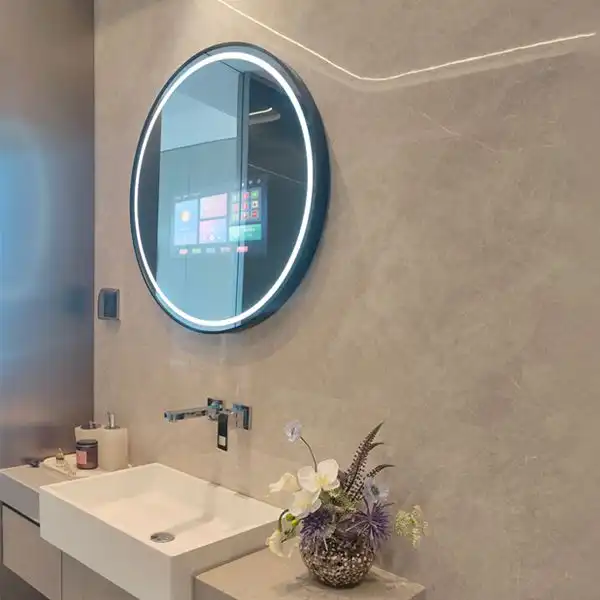
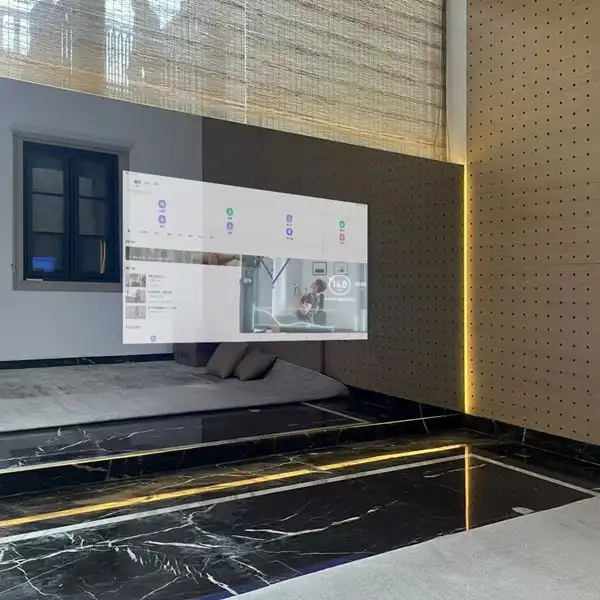
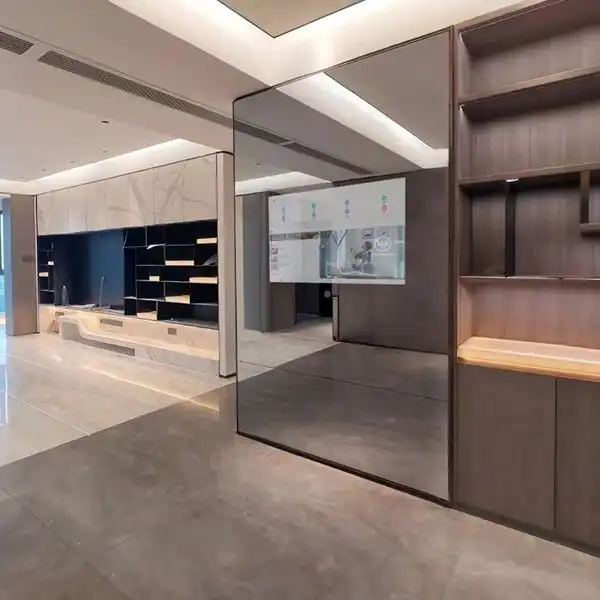
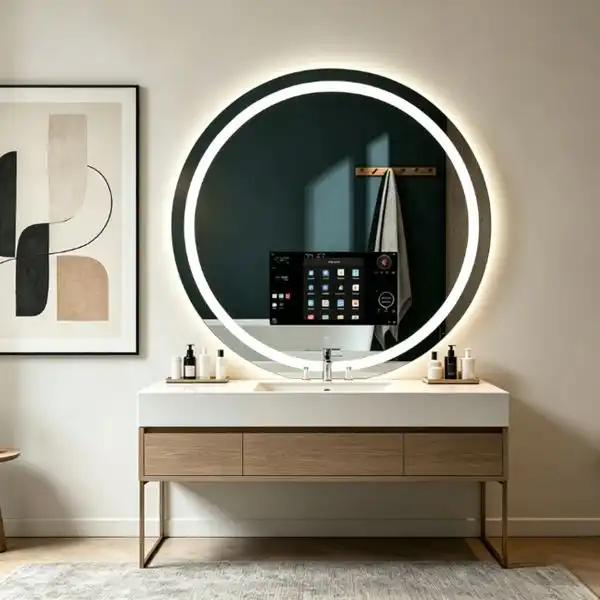
Interactive smart fitness mirrors in commercial gyms function as all-in-one digital training stations that merge reflective surfaces with embedded touchscreen displays, real-time coaching videos, and AI-driven motion tracking. An OEM commercial gym smart mirror is specifically engineered for B2B procurement, offering full hardware and software customization to match brand identity, facility design, and operational requirements. Unlike consumer-grade models, these mirrors withstand high-traffic environments, integrate seamlessly with hotel property management systems, and deliver scalable solutions for chain fitness centers, luxury hospitality projects, and wellness facilities.


Understanding Interactive Smart Fitness Mirrors in Commercial Gyms
What Defines an OEM Commercial Gym Smart Mirror?
An OEM commercial gym smart mirror is a special way of making fitness technology Products where fitness technology companies develop, build, and make interactive training displays that work with the needs of commercial facilities. Industrial-grade hardware like 4K HD displays, explosion-proof tempered glass, and low-impedance ITO capacitive touch panels are built into these mirrors. They also have Android-based operating systems that let you customize fitness content libraries, make your own user interfaces, and add third-party software. As a result of the OEM model, gym owners don't have to spend as much on research and development; the hardware and software work together, and the minimum order amounts can be changed to fit the needs of phased project rollouts.
Core Components and Functionalities
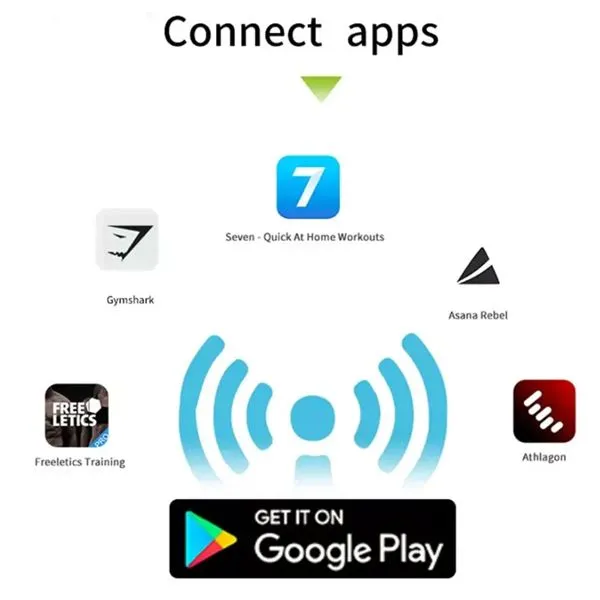
Fitness mirrors made for businesses have a lot of technical features that work together to give steady performance. Nano magnetron sputtering coating technology is used on the reflective surface to keep the optical clarity while housing a 32- to 55-inch vertical LCD panel. Behind the glass, quick touch control lets users move through workout plans, change the volume, and keep track of their progress with delay as low as 10ms. Built-in WiFi and Bluetooth let you stream music wirelessly, sync your heart rate monitor, and get software changes over-the-air. When someone walks up to the screen, motion sensors wake it up instantly. The display then goes back to a low-power standby mode to save energy costs in setups with multiple units.
How Do These Mirrors Transform Training Spaces?
Traditional gym screens only do one thing: they check your stance. This feature is expanded by interactive mirrors, which add professional coaching videos, real-time rep counters, and biometric feedback directly to the surface that reflects light. In the same visual area, users can watch teachers show them how to do things right while also checking their own alignment. This dual-feedback loop speeds up learning new skills and lowers the risk of getting hurt. For hotel fitness centers that don't have full-time staff, these mirrors provide 24/7 guided training in HIIT, yoga, strength training, and stretching. This improves online reviews and guest satisfaction scores.
Why Commercial Gyms Are Choosing OEM Smart Mirrors: A Value Elaboration Approach
Addressing Member Retention Through Personalization
Commercial fitness centers still have to deal with a lot of member turnover. This problem is solved by interactive mirrors that are personalized based on user data. The system keeps track of each person's workout history, suggests progressive training plans, and shows how their performance has improved over time. Real-time posture correction from AI motion recognition modules is like getting personal training sessions for a lot less money. Chain gym owners can use standard content in multiple sites while adapting it to local language needs and exercise trends. This keeps the brand consistent without losing its relevance in the market.
Hardware and Software Innovations Driving Adoption
Modern OEM solutions for the OEM commercial gym smart mirror have displays that can adjust their brightness (350–700 cd/㎡) so they can still be read in bright gym lighting. Anti-fog finishes also make them easy to see in wet areas near pools or spas. Android 11/12/13 supports multi-language UI localization, which is very important for international hotel chains that cater to a wide range of guests. TOF or RGB-D cameras are built into more advanced models. These cameras map skeletal structures in three dimensions, which lets you get a very accurate picture of your form when you do complicated moves like Olympic lifts or Pilates routines. These technical details lead to measurable business results, such as lower liability risks from training injuries and more extra money from premium digital training subscriptions.
Real-World Implementation Success
A high-end hotel company that caters to business visitors put custom-branded fitness mirrors in 200 guest rooms across twelve properties. The mirrors came with pre-loaded 15-minute express workouts that were designed to help guests who were short on time. They also had multilingual interfaces that could support eight languages and direct integration with the hotel's mobile app so that guests could get personalized workout suggestions based on their past stays. Surveys done after the installation showed that exercise amenities were used 43% more often and guests were happier 28% more often when they mentioned the in-room workout choices. With the OEM method, the hotel was able to silk-screen the logo of their health program onto each mirror and add branded welcome messages to the start screen, which helped to reinforce their high-end image.
Comparison and Procurement Guide for OEM Commercial Gym Smart Mirrors
Evaluating Cost-Quality Dynamics
Corporate buyers have to weigh the costs of making an initial investment against the costs that come up over the course of the product's life. OEM commercial gym smart mirrors usually cost between $1,200 and $4,500 each, based on the size of the screen, the CPU, and how much customizing is possible. Unlike consumer-grade mirrors that cost less than $1,000, industrial models come with stronger mounting brackets that can be used 24 hours a day, seven days a week. They also come with longer warranties (usually two to three years), and you can get help from a trained technician. The difference in price is due to explosion-proof glass certification, anti-oxidation nano coatings that stop sweat rusting, and industrial-grade power sources that are made to last 50,000 hours or more.
Customization Potential and Scalability Considerations
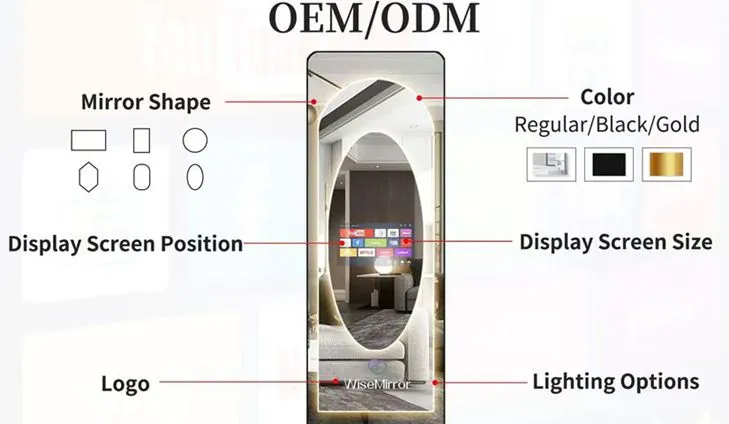
The strategic benefit of OEM partnerships is that they allow for flexible configurations. Buyers choose exact mirror sizes (up to 2000x2000mm), frame materials (aluminum alloy or stainless steel with custom powder coating), and screen resolutions (1080p to 4K) that meet the needs of the building. Customizing software includes adding your own brand to the user interface, making boot animations with your property's logo, and adding integration APIs for gym management platforms or hotel PMS systems that are already in use. For full customization, the minimum order quantity is usually between 50 and 100 units. However, some makers offer semi-custom choices for smaller pilot projects.
Supplier Evaluation Criteria
Professionals in procurement should check out possible OEM partners in a number of different ways. Manufacturing certifications, such as ISO 9001, CE, RoHS, and FCC, make sure that installations in North America and Europe follow the rules. It's important for factories to have their own software development teams so they can offer timely firmware updates and unique feature development without having to rely on outside companies. Supply chain stability, which can be checked by looking at records of where raw materials came from and when they were made, prevents delivery delays that could throw off plans to open a hotel or renovate a gym. References from similar projects, like chain exercise centers and high-end hotel groups, show that the quality of the help after installation is good.
Best Practices for Integrating and Maintaining Smart Mirrors in Commercial Gyms
Physical Installation and Space Optimization
Building plans are needed for smart screens that are placed on the wall, and for the OEM commercial gym smart mirror, install on concrete or solid brick walls for the best support. For installations on wood-framed drywall, you'll need reinforced backing plates. Professional CAD layout drawings should show where to put electrical outlets (within 1 meter of each unit), how to route network cables for Ethernet-connected installations, and make sure there are enough clearance zones (at least 2 meters in front of the mirror to allow for free movement). Multi-panel arrays along the training walls make immersive group fitness areas. Centralized control software makes sure that all the displays play the same content at the same time.
Maximizing Member Engagement
Fresh content encourages long-term use. Gym owners should talk to OEMs about deals that include new workout programs, seasonal training plans, and popular exercise forms added to the library every three months. Social features like leaderboards and success badges use motivated psychology to get people to come back for more. Integration with wearable devices like the Apple Watch, Fitbit, and Garmin shows real-time heart rate and calorie burn data on the mirror, which proves how hard you are working out. Customizing workout lengths is helpful for hotel implementations; giving 10, 20, and 30-minute programs works for a range of guest plans and keeps completion rates high.
Ongoing Maintenance and Technical Support
To keep the layer from getting damaged, daily cleaning should be done with streak-free glass cleaners that don't contain ammonia and microfibre cloths. As part of the monthly inspection schedule, you should check that the touchscreen works properly in all four corners, that the WiFi connection is strong, and that the automatic wake/sleep monitor works. With remote monitoring, proactive maintenance is possible: facility managers are notified of firmware updates, touchscreen calibration issues, or network connectivity problems before members even say anything is wrong. Setting up service level agreements (SLAs) with manufacturers that promise to respond to technical problems within 48 hours cuts down on downtime and keeps income flowing.
Future Trends and Innovations in Commercial Gym Smart Mirror Technology
Enhanced AI Coaching and Biometric Integration
Next-generation mirrors will use advanced computer vision algorithms that can find compensation patterns, which are small changes in how weight is distributed or how joints are aligned that happen before an injury. "Shift your weight to your left heel" and other real-time audio coaching cues give you immediate feedback without having to have trainers on the floor. Biometric integration goes beyond heart rate. New monitors can measure blood oxygen levels, EMG signs that show muscle tiredness, and even hydration levels. This lets you change your workout in the middle of it based on your body's readiness.
VR/AR Immersive Training Environments
Mirrors will become platforms for destination-based workouts when augmented reality images are added on top of them. People who were doing interval runs could see virtual scenes of a beach or mountain trails mirrored around their picture. The display also showed their pace goals and elevation profiles. Virtual reality compatibility—through optional headset pairing—allows fully realistic group classes where online players appear as holographic training partners. This solves the problem of being alone in hotel gyms and during off-peak gym hours.
IoT Connectivity and Business Intelligence
Integration with the Internet of Things links smart mirrors to ecosystems that run throughout the building. Usage analytics are used to create dashboards for gym managers that show peak usage times, the most popular types of workouts, and patterns of engagement by demographics. Hotel chains can find groups of highly valuable customers by linking how often guests use exercise facilities to how loyal they are. Analyzing hardware performance data across mirror teams is what predictive maintenance algorithms do. They can predict when a component will break before it does and find the best times for service technicians to be deployed across multiple properties.
Conclusion
Interactive smart fitness mirrors have gone from being just a novelty to being valuable tools for commercial gym owners, luxury hotel developers, and wellness facility designers. The shift toward OEM commercial gym smart mirror procurement reflects maturing market demands: buyers value customization, integration, and long-term technical support more than off-the-shelf solutions. These mirrors address core business problems: keeping members, making the best use of space, and keeping an eye on running costs. They also make facilities look like cutting-edge places to visit. As biometric integration, AI coaching, and virtual training environments get better, early fans of customizable OEM platforms will stay ahead of the competition thanks to constant feature updates and personalized user experiences that branded, closed-system options can't match.
FAQ
What is the typical installation timeline for commercial smart mirror projects?
Installation times depend on the size and condition of the project. Single-location setups with ready-made electrical and network equipment are usually done in two to three weeks. This includes delivering the mirrors, mounting them on the wall, setting up the system, and teaching the staff. Multi-property rollouts for hotel chains or franchise gym networks need to be planned out in stages. For projects with 10 or more locations, you should allow 6 to 12 weeks to allow for logistics coordination, sequential installation to keep operations running smoothly, and testing after installation. Planning ahead of time, like working with general builders to put in electrical outlets, network drops, and structure reinforcements during the build-out phase, can cut installation time by 40%.
How do smart mirrors comply with ADA accessibility requirements?
Installations that follow the rules put mirrors at the right heights (the bottom edge of the mirrored surface should be no more than 40 inches above the floor) and offer ways to connect other than touch controls, like voice commands or mobile apps that work with the mirrors. Mirrors with display brightness and high-contrast UI modes can help people who have trouble seeing. Closed captions for workout videos make sure that users who are hard of hearing can access them. Manufacturers who provide detailed accessibility documentation and WCAG 2.1 AA compliance for software interfaces make it easier for publicly accessible commercial buildings that have to follow ADA rules to get approved.
Can existing gym management software integrate with OEM smart mirrors?
Most OEM makers offer RESTful APIs and SDK documents that make it possible to connect to well-known gym management systems like Mindbody, Zen Planner, and ClubReady. Different levels of integration are available. Simple connections sync member check-ins to track mirror usage. More advanced integrations allow for single sign-on registration, personalized workout suggestions based on membership level, and automatic billing for paid digital training services. When a hotel uses a PMS, guests can use their room keys to access the mirrors, and in-room exercise sessions are immediately charged to guests' folios. Talking about integration needs during the RFP phase makes sure that everything works technically before the contract is signed.
Partner with WiseMirror Intelligent for Your Next Commercial Fitness Project
WiseMirror Intelligent is ready to help you set up your business fitness mirror. Our OEM and ODM services have been improved over the course of more than 500 finished wellness and leisure projects. Our factory in Shenzhen uses three special technologies to make mirrors that can stand up to the tough conditions found in hotel spas, high-traffic chain gyms, and luxury residential amenity centers. These technologies are nano magnetron sputtering coating, anti-oxidation processes, and low-impedance ITO capacitive touch lamination. As an OEM commercial gym smart mirror manufacturer, we offer full customization: from mirror sizes and frame finishes to branded UI development and multilingual content files that are specific to how your property is positioned.
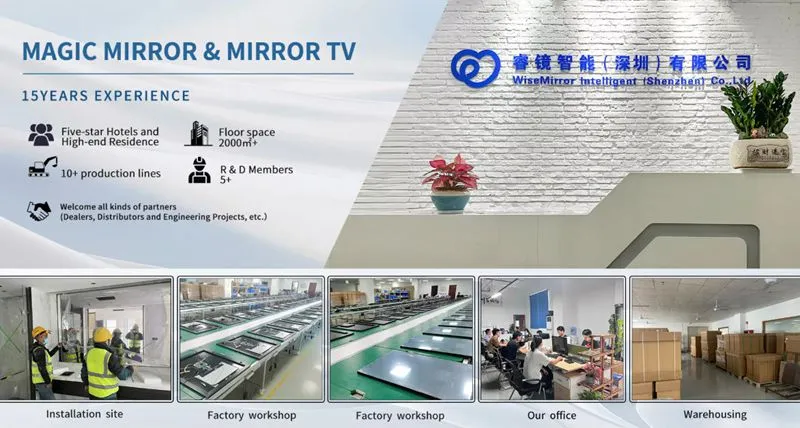
Our in-house software development team makes sure that our systems work well with other building automation and property management systems, which is very important for hotels and multi-family living projects. Our products meet North American and European regulatory standards because they have been certified by organizations like CE, RoHS, and FCC. This makes the approval process for your purchases easier. Email our project specialists at info@wisemirror-int.com to talk about your unique needs, look over technical specs, and get personalized quotes for your future projects. Let us turn your ideas into smart exercise solutions that are fixed and ready to use, which will increase the value of your property and make your guests happier.
References
1. Johnson, M. (2023). Commercial Fitness Technology: Integration Strategies for Multi-Property Portfolios. Hospitality Design Press.
2. Chen, L. & Roberts, P. (2024). "OEM Manufacturing Models in Smart Fitness Equipment Procurement." International Journal of Sports Technology, 18(2), 145-162.
3. American Hotel & Lodging Association. (2023). 2024 Lodging Industry Amenity Trends Report. Washington, DC: AHLA Research Department.
4. Patel, R. (2024). Smart Mirror Technology: Engineering Principles and Commercial Applications. Berlin: Technical Publishing House.
5. Williams, K. (2023). "Member Retention Through Interactive Fitness Technology." Club Management Quarterly, 41(4), 78-91.
6. International Health, Racquet & Sports Club Association. (2024). Global Fitness Technology Adoption Survey. Boston: IHRSA Publications.