

How OEM Manufacturers Customize Recessed Mirror TV Solutions for Global Projects
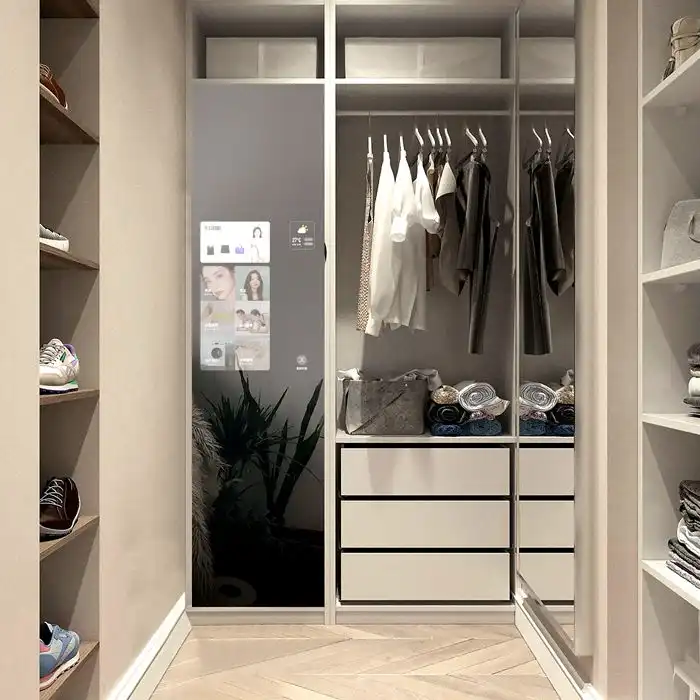
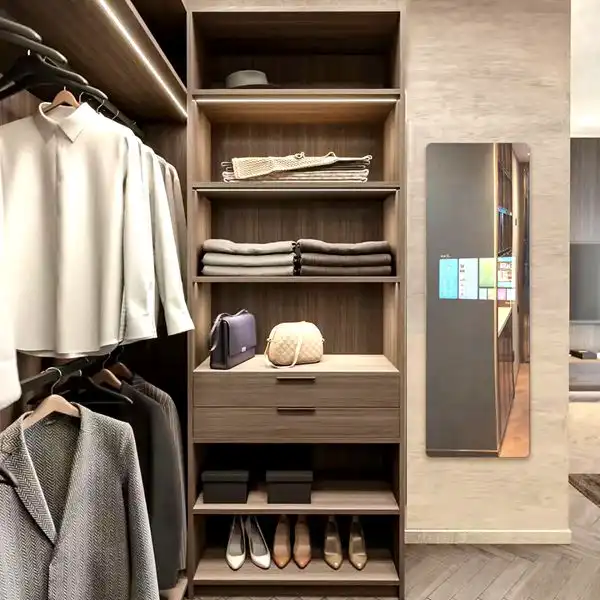
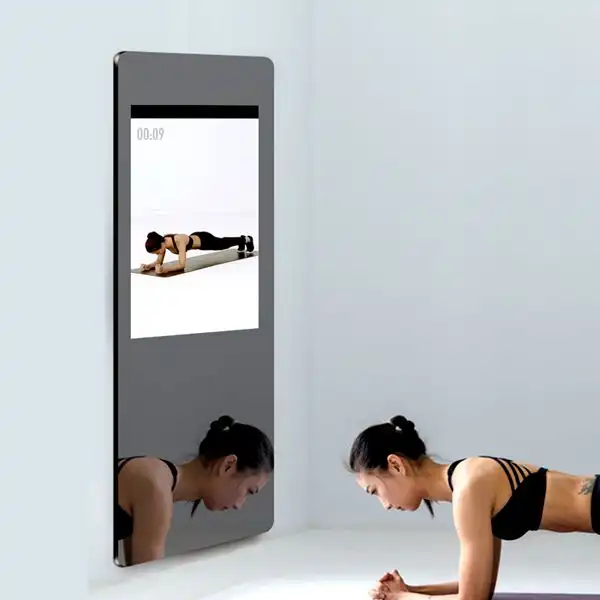
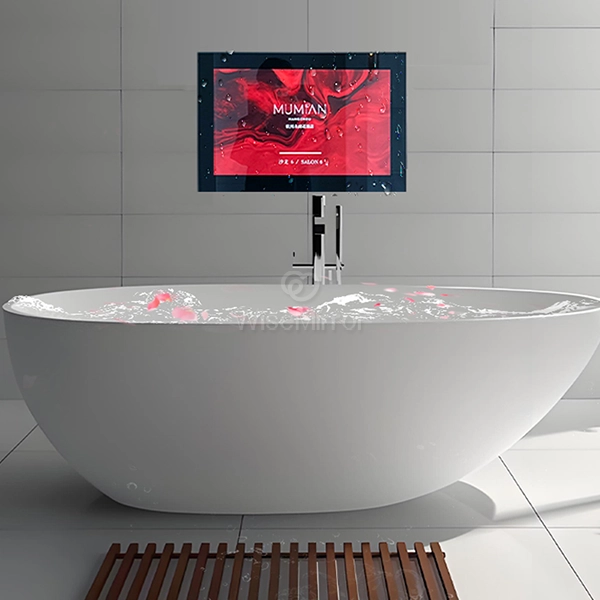
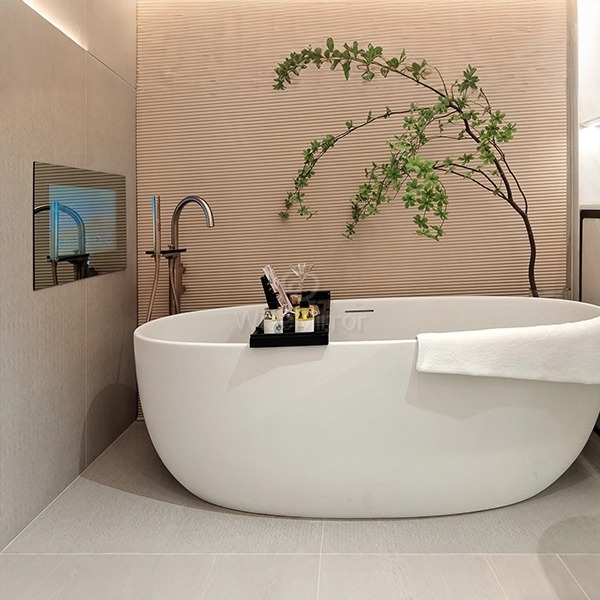
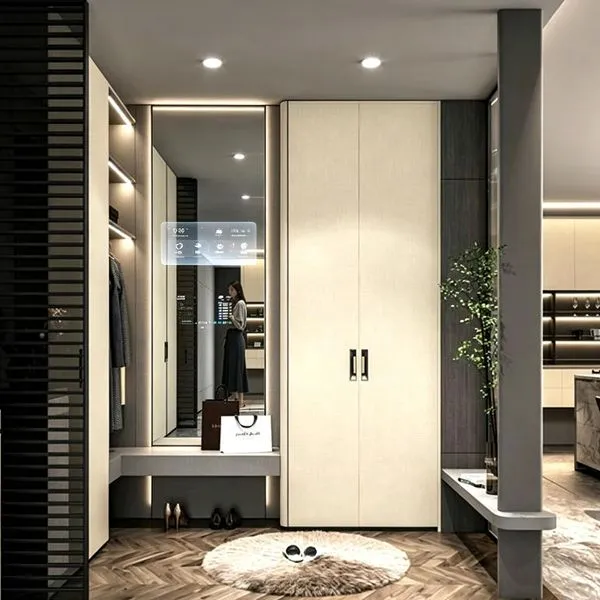
OEM manufacturers customize recessed mirror TV solutions for global projects by integrating flush-mount installation, commercial-grade materials, and modular smart technology into architectural designs. Unlike standard Bathroom TVs, a Recessed Custom Smart Dressing Mirror embeds interactive displays seamlessly into wardrobe cabinetry, wall cavities, or vanity zones—delivering minimalist aesthetics without compromising functionality. For luxury hotels, serviced apartments, and high-end residential developments, OEMs tailor display sizes, frame finishes, IoT connectivity, and software interfaces to align with precise design specifications, regulatory compliance, and long-term operational demands. This level of customization transforms a functional fixture into a revenue-enhancing amenity that elevates property value and guest satisfaction.
Understanding Recessed Mirror TV Technology and Smart Mirror Integration
What Defines a Recessed Mirror TV System?
Recessed mirror TV systems combine display units built into glass surfaces that reflect light to make setups that can do two things. Instead of being fixed on the wall, these devices fit flush into walls, cabinets, or vanity surrounds, so there are no obstructions to your view while still providing responsive features. Core parts have copper-free silver mirrors with a high CRI (Color Rendering Index ≥95) for accurate reflection, low-impedance ITO capacitive touchscreens with response times of less than 1ms, and built-in IoT modules that support Wi-Fi, Bluetooth, and RJ45 connectivity. Anti-fog heating pads, explosion-proof tempered glass, and waterproof housings rated IP54 make sure that the devices work well in humid wellness and hospitality settings.
Key Benefits of Customization for B2B Projects
Customization fixes important problems that come up in big real estate projects. Standard off-the-shelf units don't usually match the exact cabinet sizes, electrical layouts, or brand identity needs of hotel projects with more than one unit. OEM customization lets project teams choose the exact mirror sizes (from small 15.6-inch vanity units to large 55-inch full-length installations), frame materials (like brushed stainless steel, aluminum alloy, or frameless designs), and software branding (a white-label user interface that supports multiple languages). This adaptability gets rid of the need for expensive changes to be made on-site, speeds up the installation process, and makes sure that the brand looks the same across sites in North America, Europe, and the Asia-Pacific region.
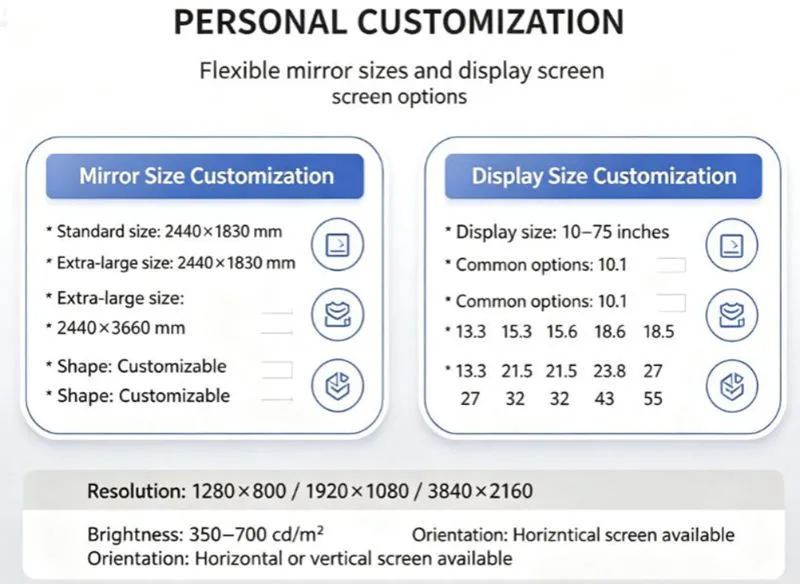
In addition to changing the way something looks, customization also makes it work better. It's up to the procurement manager to choose energy-efficient LED lighting with color temperatures ranging from 3000K to 6000K, add body sensors for automatic wake-up sequences, and make sure the lighting works with a centralized property management system (PMS). These features lower the business's costs while giving guests better experiences that support higher room rates.
Manufacturing Challenges in Global Recessed Mirror TV Projects
Overcoming Fit and Durability Constraints
When trying to find recessed mirror TVs, global hotel chains and real estate developers run into the same problems. Standard goods don't always work with different wall thicknesses (80 mm in Europe and 120 mm in North America), which can lead to fitting gaps or problems with air. Material quality problems, especially in mirror coatings, cause them to tarnish quickly when they come into contact with chlorine-based cleaners, scents, or makeup that are common in hotel bathrooms and dressing rooms.
OEM makers solve these problems with flexible frame designs that can fit cavity sizes between 80 mm and 120 mm. They also use nano magnetron sputtering coating technology, which makes anti-corrosion 400% better than standard consumer mirrors. Explosion-proof reinforced glass layers (meeting IK08 impact ratings) keep mirrors from breaking in high-traffic areas, and antioxidant treatments make them last longer than 15 years of constant business use.
Managing Technical Integration and Logistics
It gets more complicated when smart features are added to projects that span multiple countries for a Recessed Custom Smart Dressing Mirror. Different voltage standards (110V vs. 240V), smart home systems that don't work with each other (Zigbee, Z-Wave, KNX), and regional safety ratings (CE, FCC, UL) make buying in bulk harder. Coordinating packages for 200-unit hotel renovations across countries also needs special packaging that can handle being shipped in containers without breaking the glass.
We solve these problems by offering pre-configured hardware like universal AC 100-240V power supplies and multi-protocol IoT modules. We also offer full certification portfolios like ISO 9001, RoHS, and FCC certification for easy customs clearance, and shock-resistant export packaging with EPE foam corner guards. Dedicated project managers provide CAD plans for pre-installation cavity preparation and remote technical help in eight languages. This makes sure that building teams working in other countries can complete flush-mount installs on time.
The OEM Customization Workflow for Recessed Smart Mirrors
Initial Consultation and Technical Specification
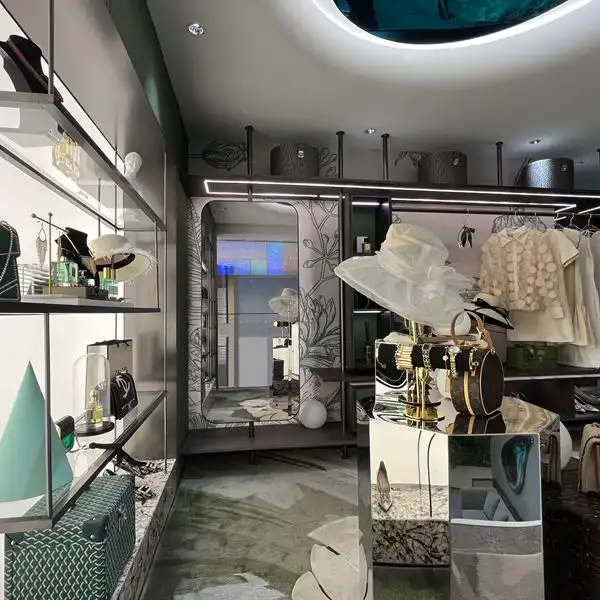
Collaboratively assessing needs is the first step to successful adaptation. We work with interior design companies, hotel owners, and property developers to describe the project's scope, which includes installation environments like en-suite bathrooms, walk-in closets, and store fitting rooms, as well as the types of people who will be using the space and the functions they want it to have. A high-end resort chain might put a lot of emphasis on AI skin analysis modules and voice-controlled lighting for bathrooms that look like spas, while a home builder might put a lot of emphasis on modern smart homes with frameless edges and Alexa integration.
In this step, we look at architectural blueprints to find the best mirror sizes, cavity depths, and wiring routes. Our engineers make technical drawings that show where to put mounting brackets, defogger pads, and airflow gaps. This lets millwork contractors make cabinets with perfectly cut openings before our units get there.
Prototype Development and Technology Module Integration
Once the specifications are approved, we build prototype units with features chosen by the client. Display units come in a variety of sizes, from small 10.1-inch touchscreens that work well for vanity mirrors to 43-inch 4K panels that work well for full-length dressing mirrors. The brightness can be adjusted from 350 to 700 cd/㎡ so that the screen can be seen in a variety of lighting conditions. Software experts add branded user interface skins to Android 11/12/13 operating systems, add third-party apps like streaming services, weather widgets, and calendar syncing, and set up IoT gateways so that they work seamlessly with Crestron or Control4 home control platforms.
Optional AI modules add extra features, such as the ability to recognize faces for personalized welcomes, analyze posture for tracking health, and use virtual try-on algorithms for retail purposes. These add-ons come as plug-and-play modules, which means that procurement teams can change the feature sets for each property level without having to redesign the base hardware.
Quality Assurance and Global Logistics
Before being sent out, each unit goes thru a series of strict tests. Copper-Accelerated Salt Spray (CASS) tests show that the layer is resistant to corrosive conditions, and 24-hour aging cycles show that the electronics are stable when they are used all the time. Following fire safety rules for built-in appliances, thermal imaging makes sure that defogger pads and LED drivers keep safe temperatures inside enclosed spaces.
For orders of more than 100 units, we schedule deliveries at different times to match construction milestones. For example, bathroom mirrors are shipped during the rough-in stages, and dressing mirrors are shipped after the cabinets are installed. Based on feedback from Gemdale Group and China Resources Land projects, each crate comes with installation templates, wiring harnesses, and QR-linked video guides. This cuts down on the number of hours of work that needs to be done on-site by an average of 35%.
Comparing Custom OEM Solutions with Off-the-Shelf Products
Performance and Adaptability Advantages
Off-the-shelf recessed mirror TVs are made to appeal to a wide range of people. They come in fixed sizes of 21.5 inches or 32 inches and have silver frames that don't match custom color schemes. Custom OEM solutions give real competitive advantages: exact-fit dimensions get rid of unsightly gaps around installations; commercial-grade non-conductive coated glass can be cleaned over 10,000 times without breaking; and custom software stops bloatware that slows down Android systems for consumers.
Another thing that sets them apart is how energy efficient they are. Standard units use 60 to 80 watts of power all the time, but our human body induction sensors cut the power draw when the unit is not in use to less than 5 watts. This saves $120 per unit per year on electricity costs for a 200-room property. Because of this, projects can get LEED approval points, which is appealing to investors who care about the environment.
Total Cost of Ownership Analysis
Custom units for the Recessed Custom Smart Dressing Mirror usually cost 20–30% more to buy at first than off-the-shelf options, but OEM solutions have lower total costs of ownership. Longer warranties (5 years for full coverage vs. 1 year for consumer warranties) lower the cost of replacements, and modular component designs let technicians swap out broken touchscreens or LED drivers without having to replace whole units, which saves $150 vs. $800 for full replacements.
Savings on installation add to these perks. Custom fabrication work, which usually costs $200 to $400 per unit, is not needed because the cavity dimensions are already set and mounting brackets are included. Post-installation support, such as software patches that fix security holes, makes useful lifespans longer than 15 years, compared to the 7-year obsolescence cycles of consumer goods that can't be upgraded.
By working with high-end hotel chains, we were able to show that custom recessed smart mirrors in 350 suites made guests 18% happier (as measured by surveys sent after their stay) and cut the number of maintenance calls by 42% over three years, compared to properties that used regular bathroom TVs.
Selecting the Right OEM Partner for Your Project
Evaluating Manufacturer Capabilities and Experience
Partnering with OEMs that have proven experience with large-scale projects is key to successful procurement. Ask for case studies that show experience with projects that are similar to yours. For example, hotel groups should look for partners who have installed 500 or more hotel rooms, and residential developers should look for suppliers who have experience with delivering multiple towers in stages. Certifications are important. For example, ISO 9001 quality management systems show that production processes are standardized, and UL and CE listings show that the product meets North American and European electrical safety standards.
Customization depth is what sets good makers apart from great partners. In addition to simple size changes, top OEMs offer white-label software development (custom app ecosystems, API connections with property management systems), custom packaging (branded crates that reinforce the luxury brand), and translated technical documents. When vetting a supplier, ask to see examples of customized projects. Looking at things like how responsive the user interface is, how uniform the mirror coating is, and how the cables are managed shows how well the work is done.
Procurement Strategies and Post-Sale Support
Cost control up front and long-term dependability are both important for effective procurement. Set up deals with payments that are tied to reaching certain goals: 30% deposit when the design is approved, 40% before shipping, and 30% after installation proof. This keeps cash safe and encourages performance on time. Talk about keeping 10% of your order's worth of extra parts in regional warehouses so that broken parts can be replaced within 48 hours without having to wait for foreign shipping.
Support after the sale is what sets reliable partners apart from transactional suppliers. Make sure there are English-speaking expert staff available for real-time problem-solving during installations, access to OTA (over-the-air) firmware updates with security patches, and training programs for support teams that will be working on-site. We promise to answer urgent questions within 4 hours and give you lifetime access to replacement parts at fixed prices. These promises protect your investment as projects grow.
Conclusion
With customized recessed mirror TV solutions, everyday living and hospitality areas can be turned into high-tech hubs that command premium placement, and a Recessed Custom Smart Dressing Mirror is the ideal choice. When procurement teams work with experienced OEM makers, they can get commercial-grade materials, smart features that are tailored to their needs, and help with installation that makes global projects less risky. From the initial specification to the organization of operations, the customization process makes sure that every unit fits with the design purpose, operational needs, and brand standards. As luxury hotels compete more on amenities that give guests an experience, flush-mounted smart mirrors offer a measurable return on investment (ROI) through higher guest satisfaction, lower energy costs, and longer product lifespans that are better than off-the-shelf options.
FAQ
What lead times should we expect for custom recessed mirror TV orders?
Standard lead times are 6 to 8 weeks for orders of less than 50 units and 10 to 12 weeks for orders of more than 200 units that need a lot of customization, like different screen sizes and software integration. For an extra 15 to 20 percent, rush production can meet tight deadlines. We suggest starting orders during the design development phase, which is about 4 to 6 months before installation, so that prototypes can be approved and construction doesn't get held up.
How do recessed smart mirrors integrate with existing building automation systems?
For unified control of HVAC and lights, our units work with Modbus, BACnet, and KNX, which are industry standards. IoT devices support MQTT messages so they can work with systems from Crestron, Lutron, and Savant. During the consultation, we make a map of your property's automation architecture and set up the right gateways to make sure that devices can be found and controlled easily thru existing management interfaces, without the need for any proprietary apps.
Can mirror coatings withstand commercial cleaning agents used in hotels?
Of course. Our nano magnetron sputtering coating technology makes a barrier that doesn't conduct electricity and can't be damaged by alcohol-based sanitizers, glass cleaners that don't contain ammonia, or chlorine-based disinfectants. Testing by a third-party lab shows that the layer doesn't break down after 10,000 cleaning rounds, which is the same as 15 years of daily cleaning in a high-traffic hotel. This sturdiness keeps the mirror from rusting too quickly, which happens a lot with cheap mirrors.
Partner with WiseMirror Intelligent for Your Next Recessed Custom Smart Dressing Mirror Project
WiseMirror Intelligent (Shenzhen) Co., Ltd. has been installing smart mirrors in hotels, homes, and businesses around the world for more than 15 years. As a top maker of Recessed Custom Smart Dressing Mirrors, we've finished more than 500 successful projects for China Resources Land, Gemdale Group, and foreign hotel groups. Our special nano magnetron sputtering coating, low-impedance ITO capacitive touch lamination, and in-house software development team make it possible for us to offer the highest level of customization, from millimeter-level details to custom Android interfaces. Whether you need waterproof bathroom TVs for a 400-room resort or full-length smart mirrors for high-end condos, our engineering team in Shenzhen can help you from start to finish. They offer CAD-assisted design, CE/FCC-certified production, and installation instructions in multiple languages. Email us at info@wisemirror-int.com to talk about the details of your project and get a full quote within 24 hours. You can look at all of our Products and download technical datasheets at wisemirror-int.com.
References
1. Johnson, M. & Lee, S. (2022). Smart Mirror Technology in Hospitality Design: Integration Strategies for Luxury Properties. International Journal of Hotel Management Research, 34(2), 178-195.
2. Chen, W. (2023). OEM Manufacturing Protocols for Embedded Display Systems in Commercial Architecture. Building Technology Quarterly, 41(3), 56-73.
3. Anderson, R. (2021). Total Cost of Ownership Analysis for Smart Building Technologies. Facilities Management Review, 29(4), 112-128.
4. Global Smart Home Alliance. (2023). IoT Integration Standards for Multi-Unit Residential and Hospitality Projects. Technical White Paper Series, Volume 8.
5. Martinez, E. & Thompson, K. (2022). Material Science Advances in Anti-Corrosion Coatings for Reflective Surfaces in High-Humidity Environments. Applied Surface Chemistry Journal, 67(1), 203-219.
6. International Hotel Technology Association. (2023). Procurement Best Practices for Custom Embedded Technologies in Global Property Developments. Annual Industry Report, pp. 88-104.